Not: what do you want to build? But: what is really happening here?
A house. A garden. A school. A neighborhood. A city. The scale changes. The question doesn't.
And the answer is always a story.
We work with those courageous enough to see what wants to exist — beyond resources, beyond constraints, beyond what seems possible today — and find the way to build it into the world.
Architecture is not the drawing of form. It is the alignment of forces.
NOW — WHAT WE ARE BUILDING
ARS Ideas is an architecture and systems-thinking studio. We work with complexity, not against it.
Every project is treated as a living system where people, space, nature, economy and time interact. We don't simplify reality. We read it — and reorganize it.
Right now, we are developing Domus Pompeiia — a modular house that distills the grandeur of Pompeian domestic life into a form that can be built anywhere. Interior courtyards, living walls, biosolar roofs, natural materials. Not a house that contains nature. A house that is nature, organized into form.
We don't announce timelines. We announce completions.
FROM CONFLICT TO FORM
Some systems cannot be solved from within.
Because every part is right — and the whole is broken.
In such conditions, choosing a side only deepens the conflict. We step outside the fragments to see the system as a whole. And then we search for a configuration where forces no longer oppose each other — but reorganize into a new balance.
Sometimes the result is a building. Sometimes, the result is that nothing is built.
Both can be architecture.
ROOTS — THE STORY
Eden. Babel. The Pyramid. Nature-tecture.
The first home ever given to a human being was not built. It was grown. No walls, no foundation, no concrete. Trees, water, soil, light, and the living breath of everything that grows. It was called Eden — from the ancient word for pleasure, for delight.
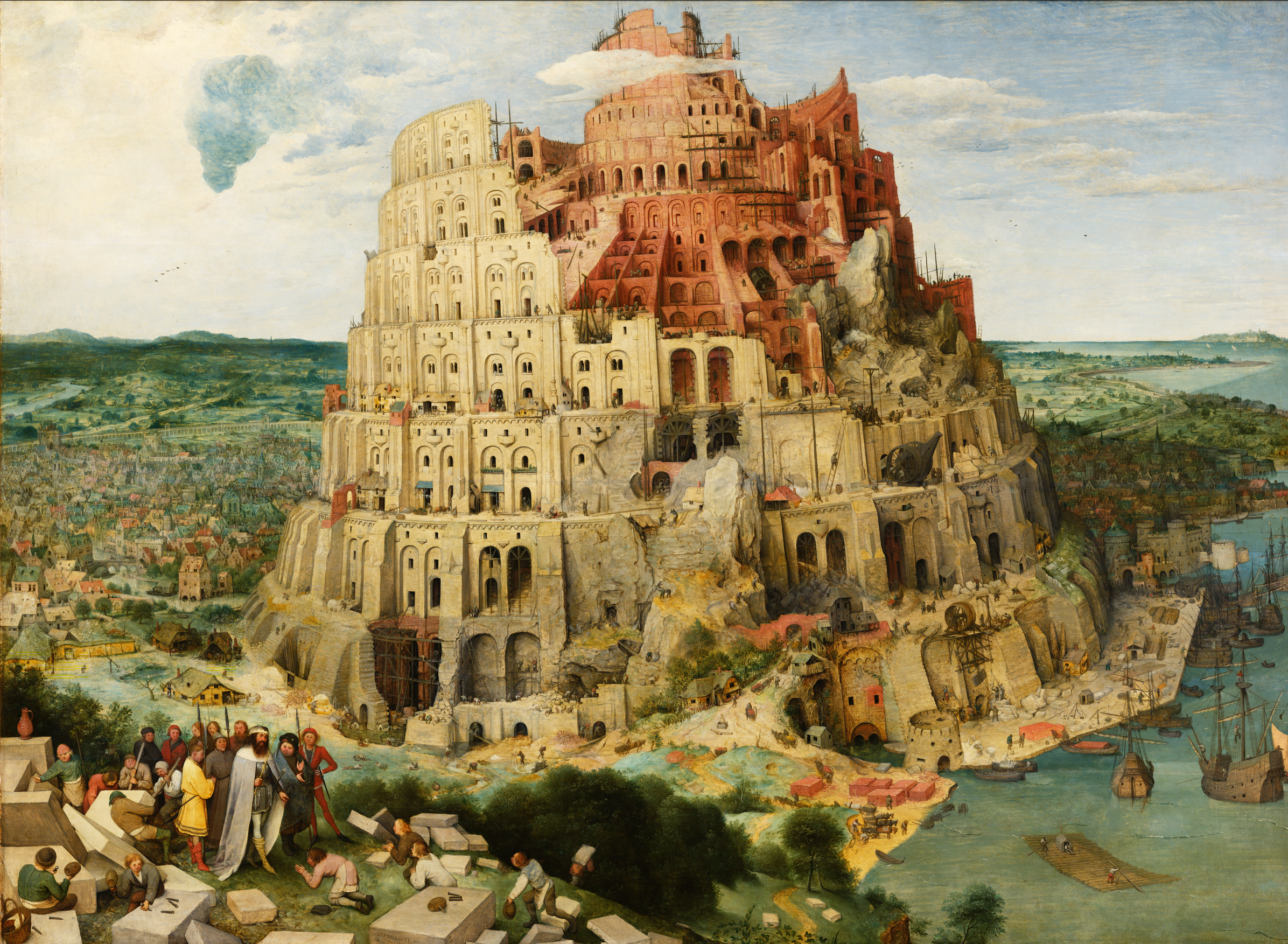
Then came Babel. The tower built of bricks of fired clay, reaching toward heaven by force of human will alone — and it fractured everything. The whole broke into fragments that no longer spoke to each other.
We have been building Babel ever since.
PIETER BRUEGEL THE ELDER — THE TOWER OF BABEL, c.1563 — Kunsthistorisches Museum, Vienna
Then came the pyramid.
The perfect form. Unchanging. Eternal.
Built for the dead.
A house for someone who will never move again, never need light in the morning, never plant something and watch it grow. Much of what we call architecture today carries this inheritance — the obsession with the perfect object, the monument, the image that impresses before it serves.
You cannot put a living reality inside a perfect form without killing it first.
The opposite of the pyramid is not one thing.
It is the tent that follows the wind.
The cave that holds the warmth of the mountain.
The courtyard palace where water and fig trees live alongside the family.
The school garden where children ask: when can we plant again?
Each of these is home. Each of these is nature-tecture. Home means something different for every person and every place. What they share is not a form — it is a quality of life. Simple and abundant at the same time. In communion with the world around it.
The ultimate sophistication of architecture is nature-tecture.
Every system contains a fracture. We don't eliminate it. We work with it. Because that is where transformation begins.
We don't write vision and mission statements. We prefer to build them.
METHOD — FROM FRACTURE TO LIVING SYSTEM
We don't begin with form.
We begin with reality — as it is. Complex. Fragmented. Often in tension.
Every system contains a fracture. A place where forces collide, where meaning is lost, where decisions become impossible. Most architectural processes ignore this — or compress it into a brief. We do the opposite. We enter the system before we touch the pencil.
The method is alive. It changes with every project. But the arc is always the same.
01
Read the system
We observe. We map forces, relationships, hidden tensions — not just space, but people, memory, interests, energy and time. We ask: where is the fracture? Before acting, we understand.
02
Build relationships
We enter. We speak with each part of the system — differently, carefully. We listen to what each one actually needs, not only what they say they want. Trust is not a byproduct. It is one of the materials we work with.
03
Activate a center
A small intervention begins to reorganize everything around it. We don't impose a center. We find the point where energy is already trying to gather — and we activate it.
04
Let form emerge
Architecture is not designed. It is revealed. When the relationships are right, the form appears — not as a decision, but as an inevitability.
This is the difference between dead and living architecture.
One begins with form — and forces reality to fit inside it. The other begins with life — and allows form to grow from it.
THE METHOD IN PRACTICE
Every project in our field is proof. Here are two that show the arc most clearly.
TIMIȘOARA — 2022
Three proposals for a paralyzed city block
We entered a site paralyzed by conflict. Investors, preservationists, city authorities, a community with memories, a school that had produced artists known across the world. Every side was right. The system was broken.
We spoke with everyone. We mapped the forces. And instead of choosing a side, we proposed three configurations — each showing that a different balance was possible.
The buildings are still standing.
OTOPENI — 2023
In a school, we didn't design a garden
We arrived and listened. We befriended the teachers, the children, the groundskeeper. We found one small corner where something could begin. The garden grew from the relationships we built inside that school.
The garden appeared from those relationships. And once it appeared, it began to transform everything around it.
The children kept asking: when can we plant again?
THE SYMBOL
The symbol is intentionally open. It does not have one reading. It has a field of meanings — and each person finds the one that is true for them.
A rupture that becomes a nucleus. The nucleus generates relationships. The system organizes itself.
A tipi with the sun behind it — architecture in communion with ground, wind and sky.
A mountain, the earth, the horizon. The balance of the world we inhabit.
A conflict that becomes a center. A circle that closes. Small and large working together.
Every time we look at it, a different story appears. That openness is part of its life.
WORKING WITH US
There is no standard brief.
People come to us with a request. We listen to the request. And then we listen deeper.
Because what someone asks to build and what they actually need are rarely the same thing.
Our first work is always the same: to find the real question underneath.
The right question takes courage. The honest answer takes more. And building from that truth — that is the work.
Each project here is proof. Not of style or taste — but of a principle tested against reality, against budgets, against forces that wanted something else entirely.
Some were built. Some were not chosen. All of them moved something forward. We show them not as a portfolio — but as a field of evidence that living architecture is not a dream. It is a discipline.
INTERIOR DESIGN — COMPLETED
Bucharest Apartment
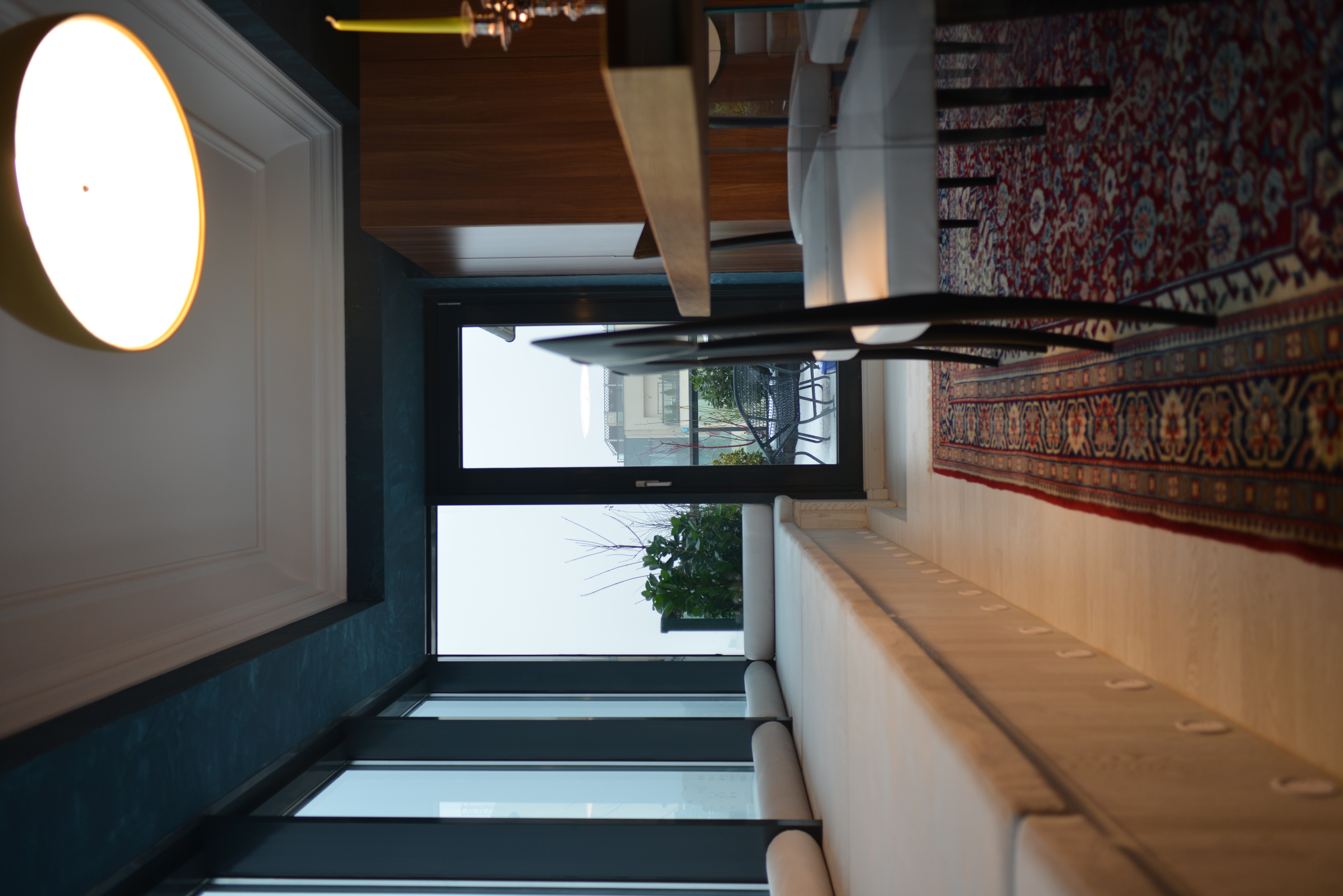
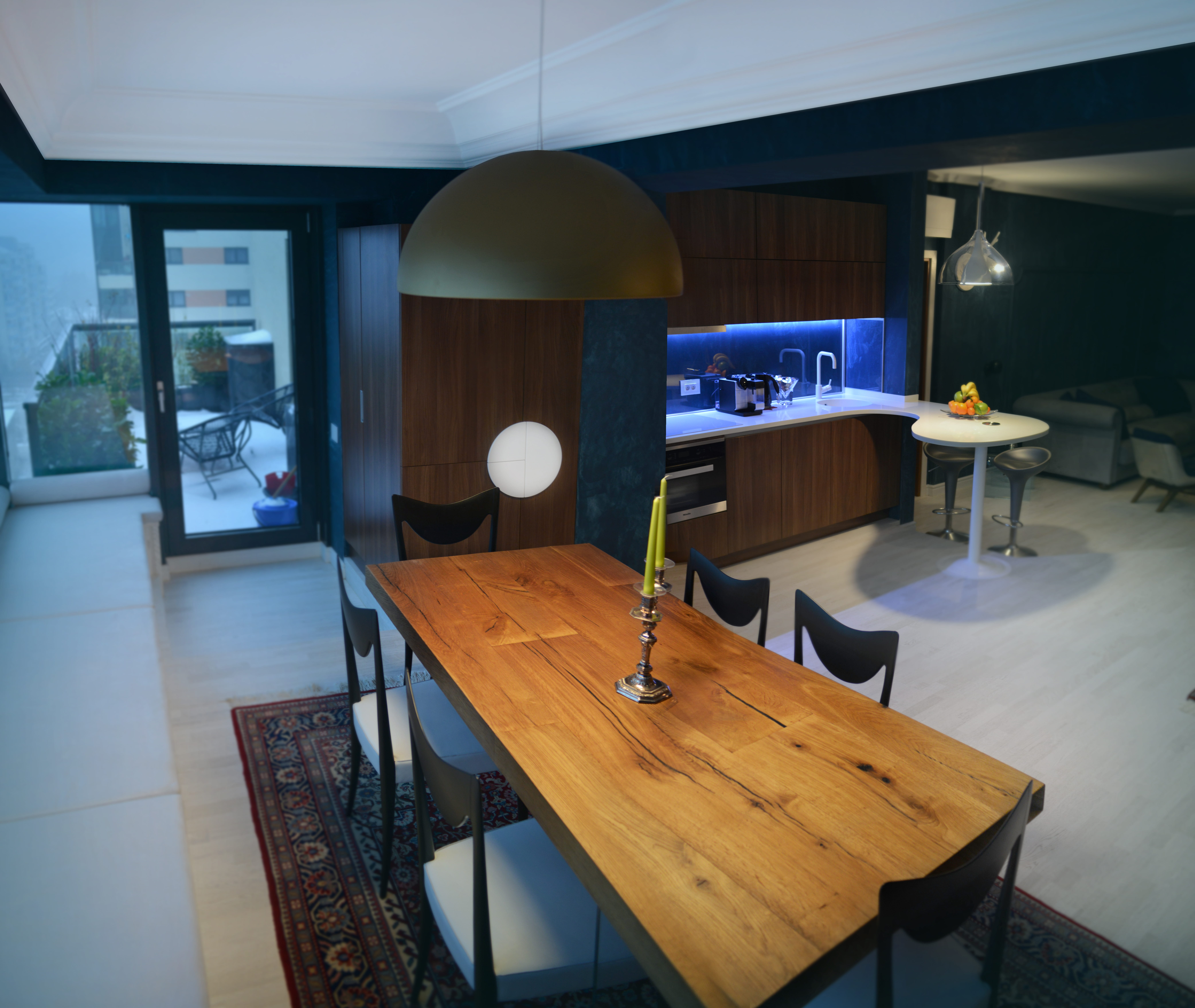
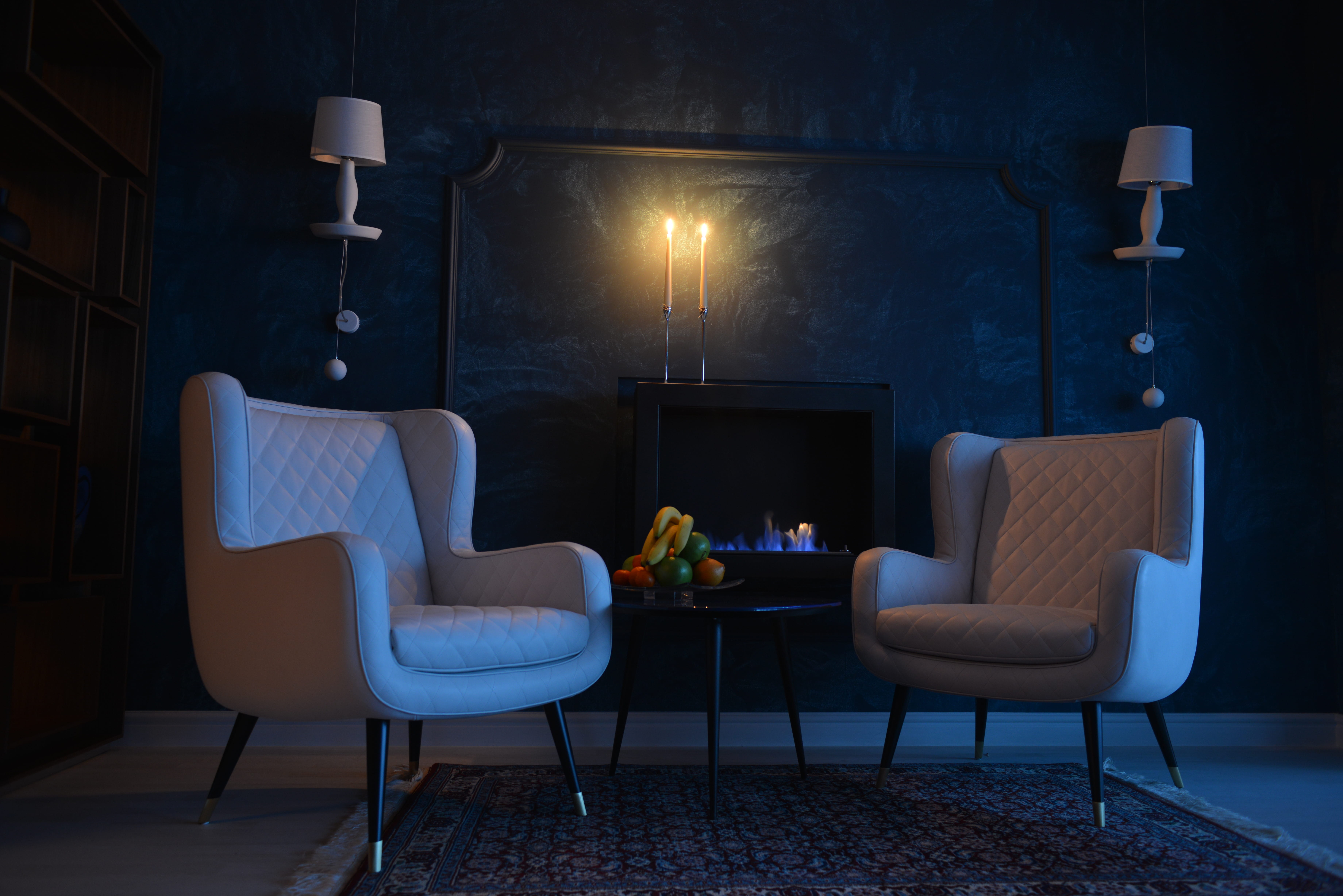
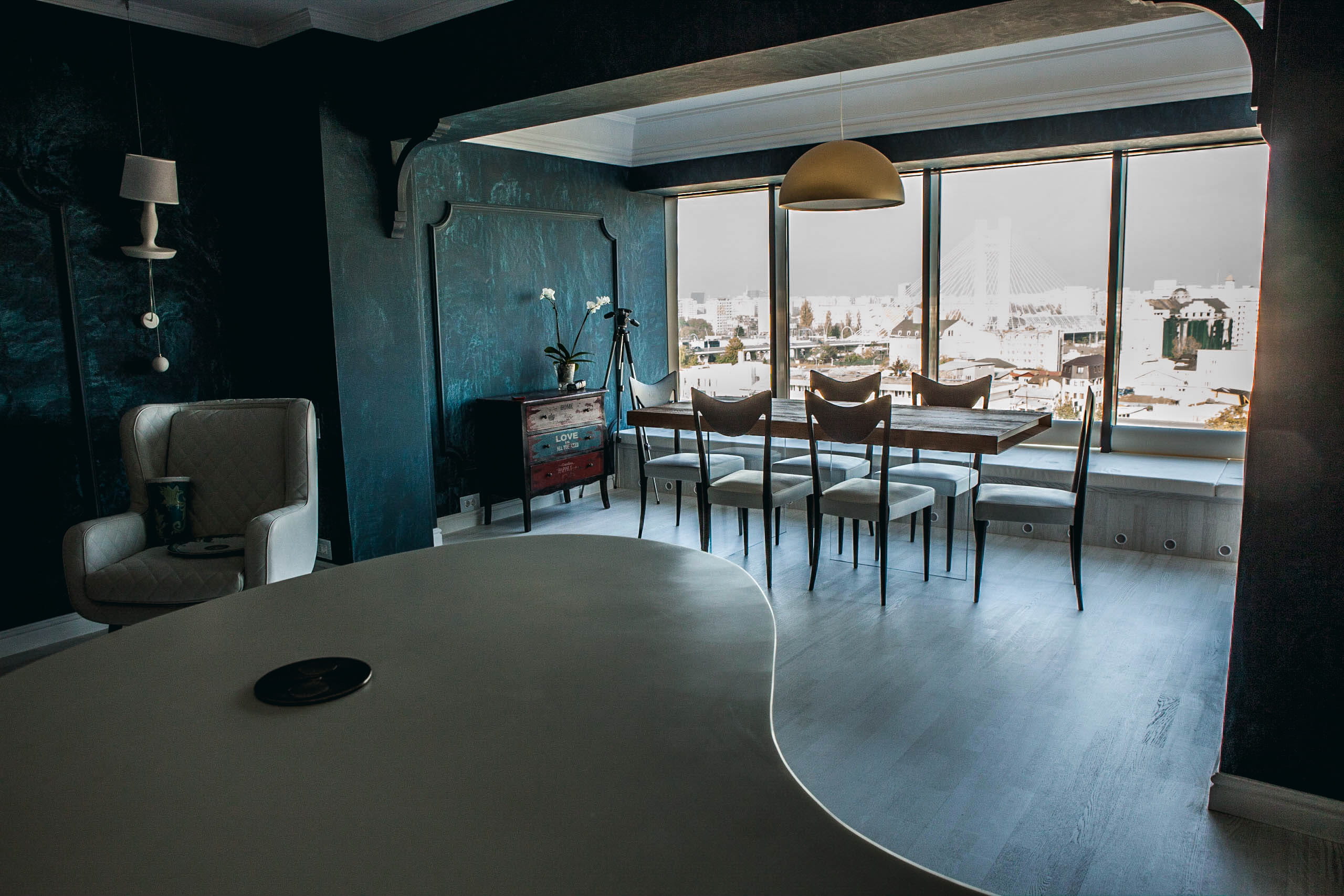
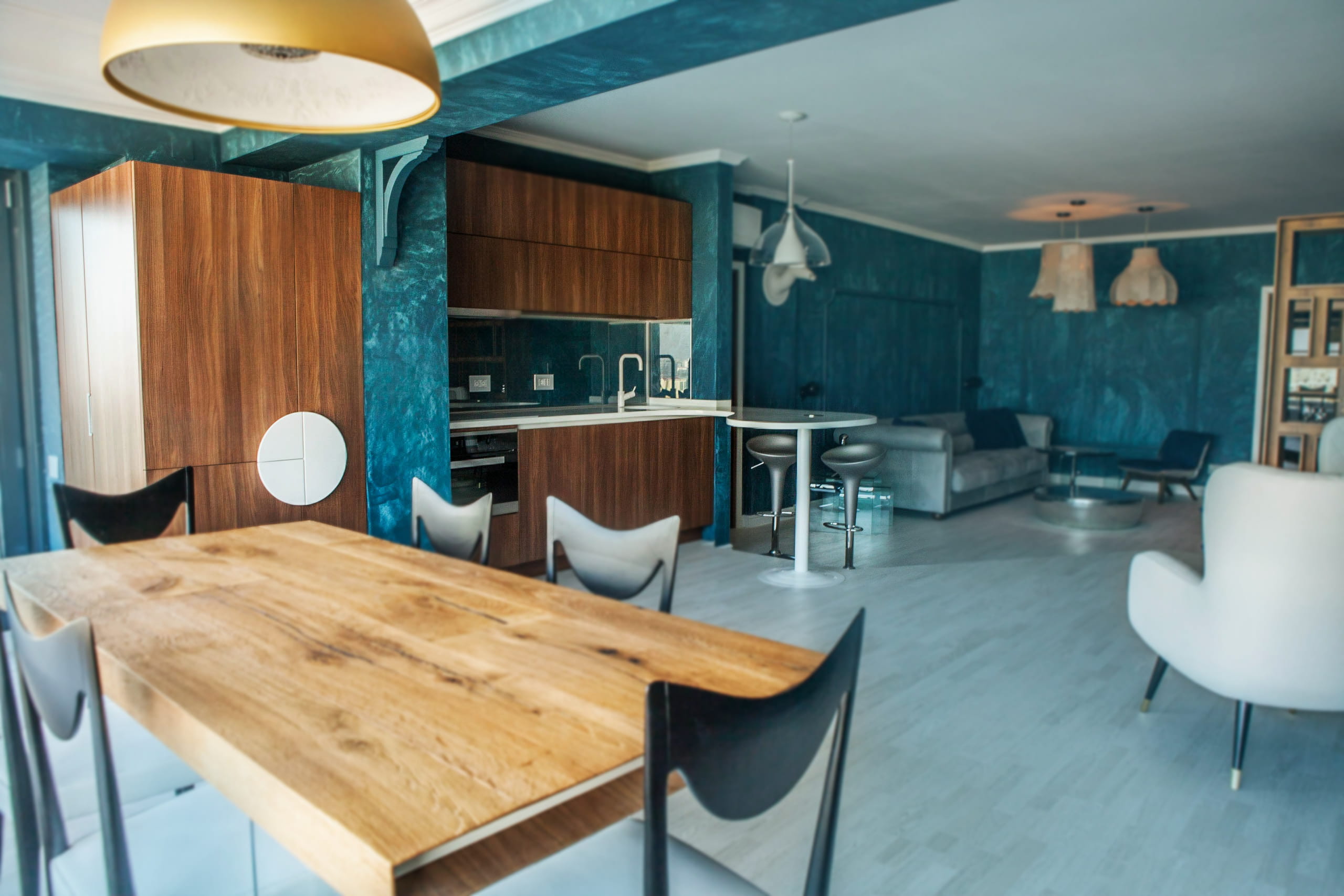
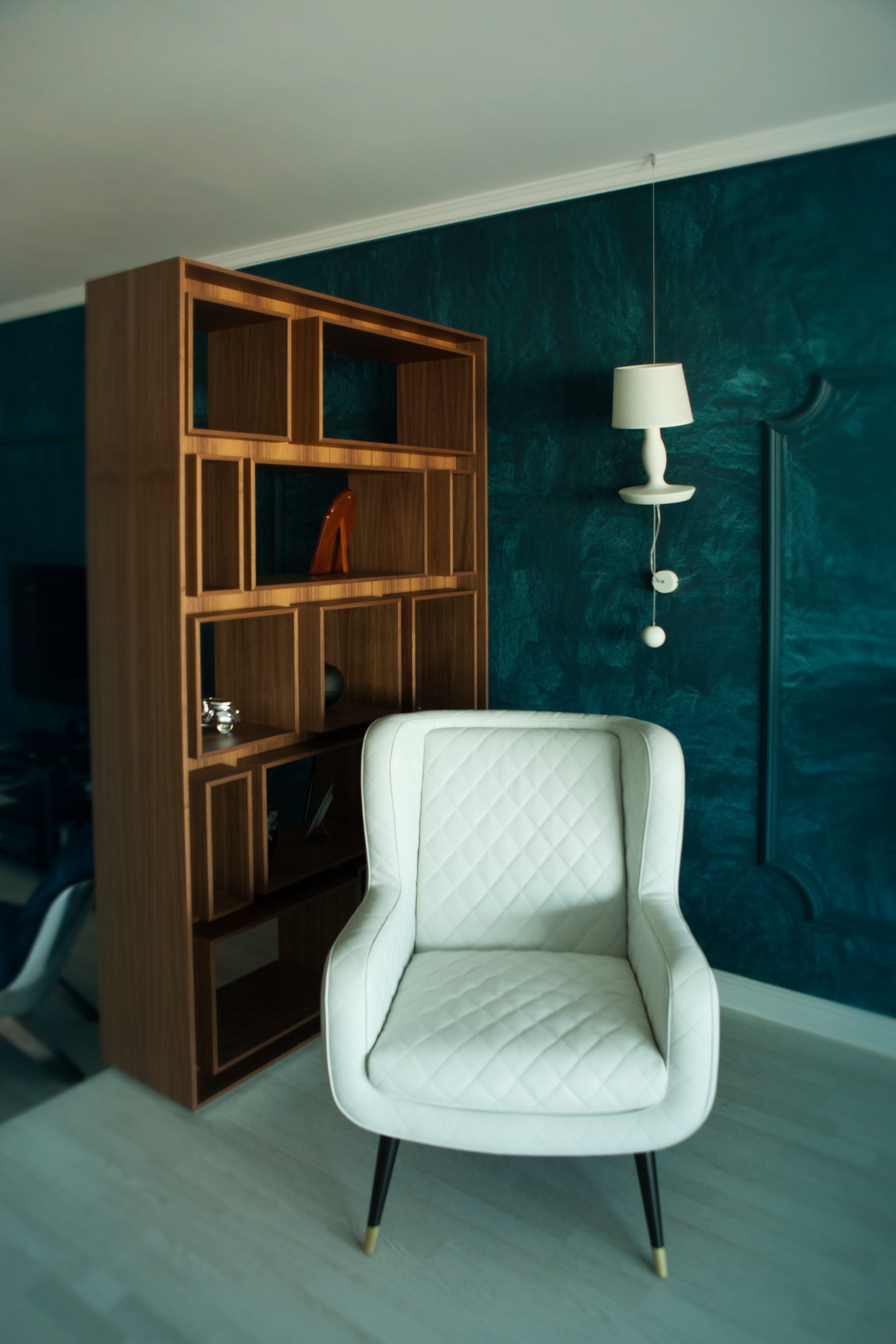
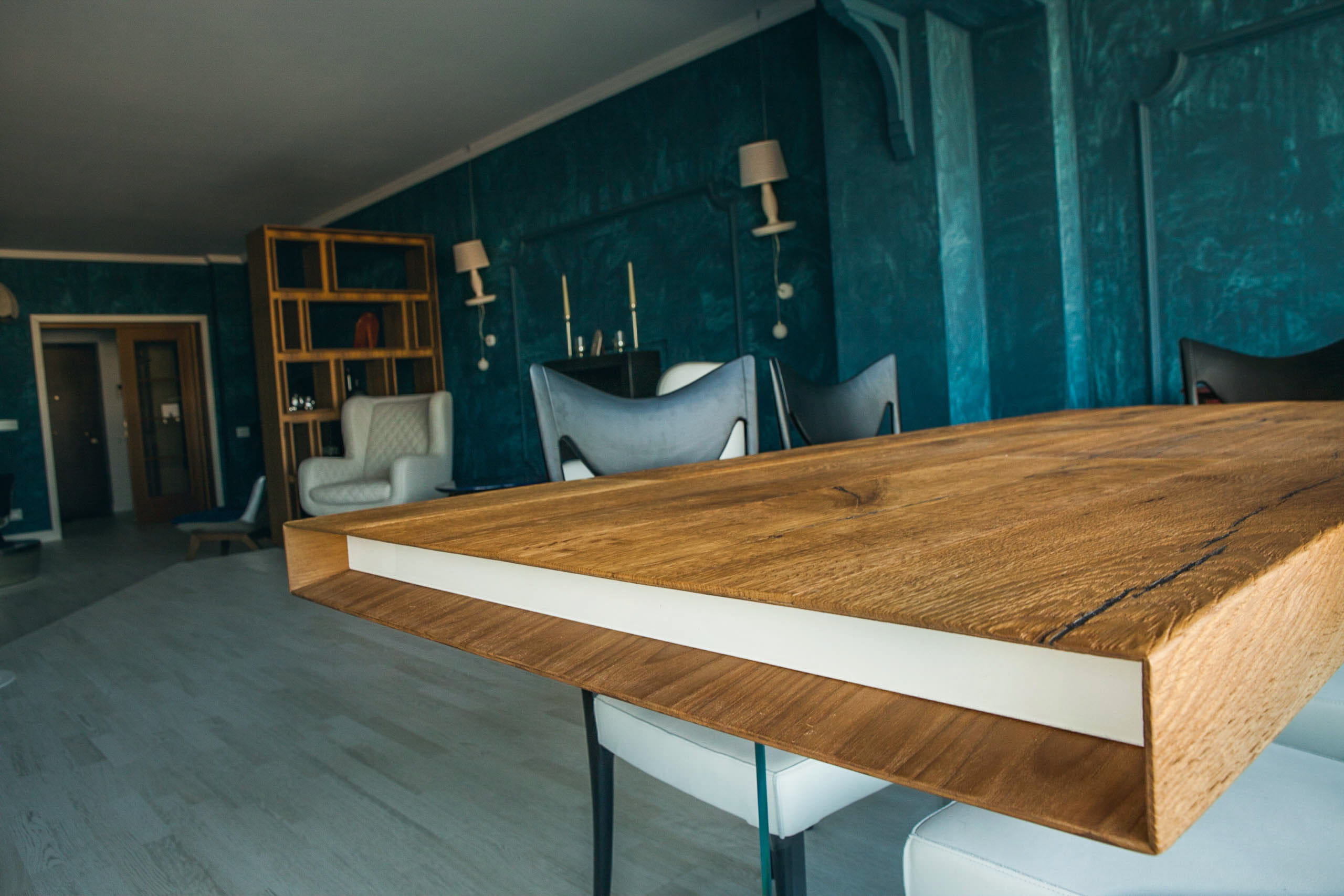
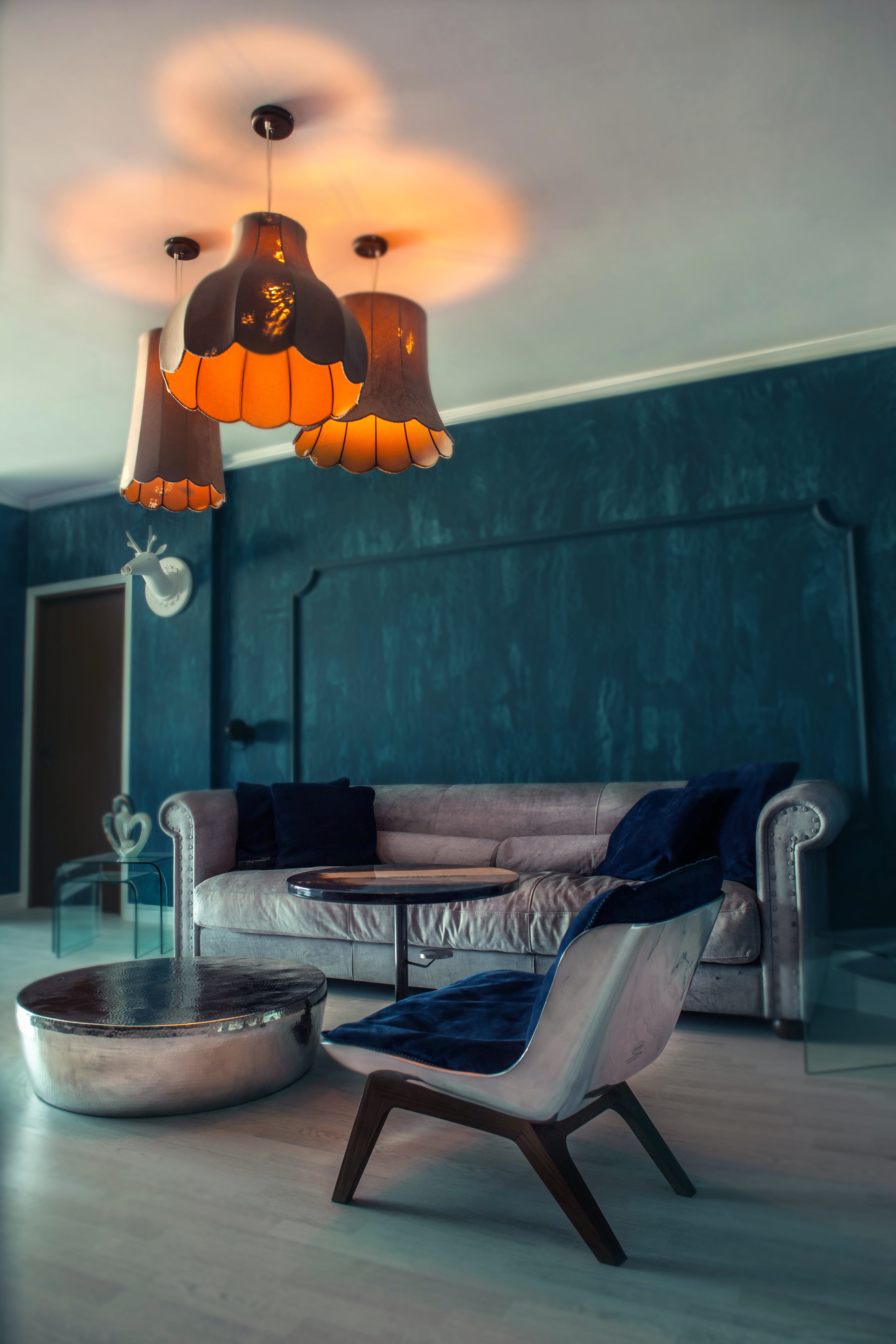
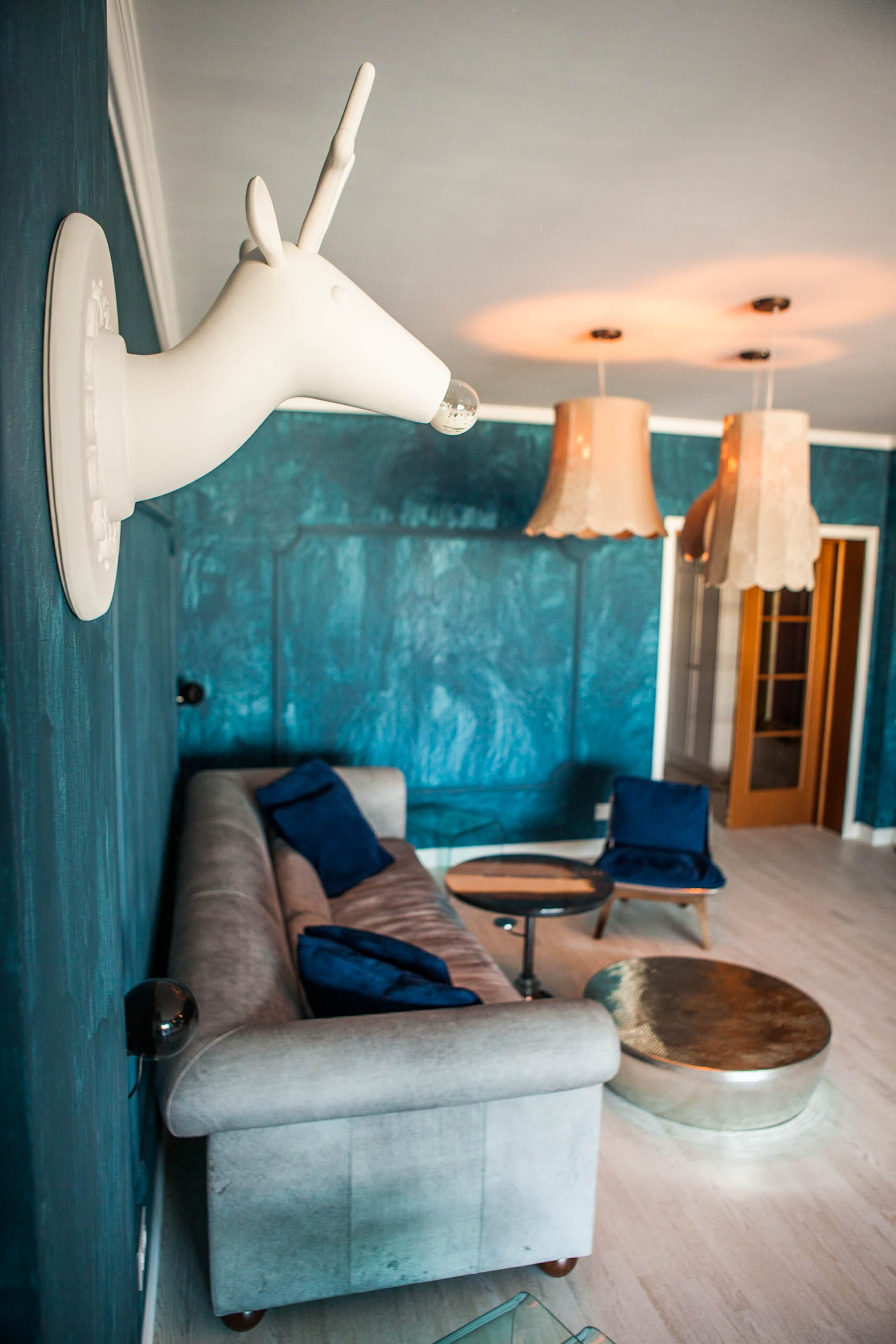
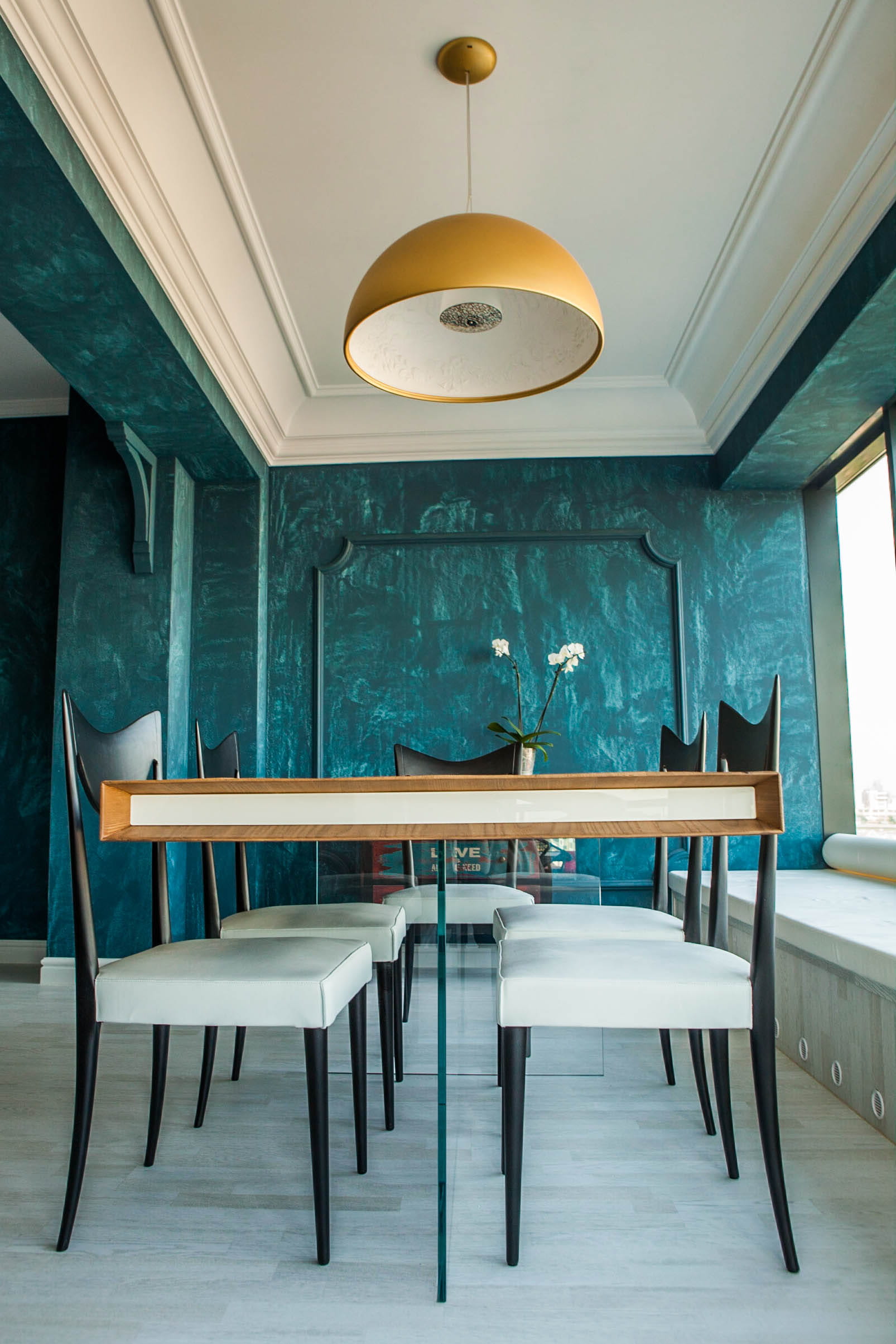
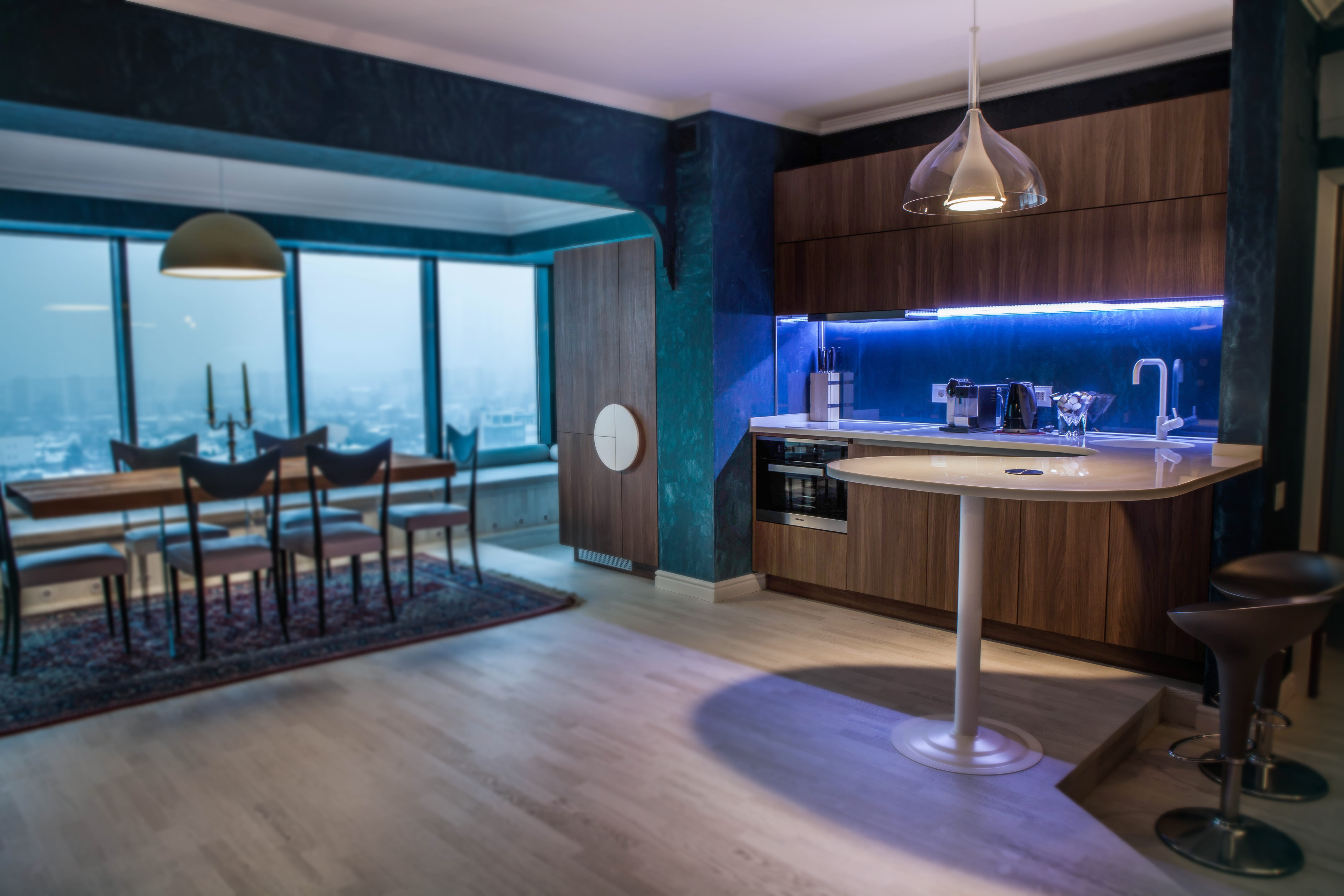
An urban apartment transformed into a restorative interior landscape — weighted by Baxter, lightened by Lago, and held together by a strong atmosphere of memory, garden and retreat.
A city apartment imagined as a house with a garden.
URBAN CONCEPT — 2017-2018
Timișoara — Three Proposals
Three conceptual responses to a contested historic site. Not a fight between parts — a search for a balance strong enough to hold them all.
Every side was right. The system was broken. We spoke with everyone and proposed three configurations.
URBAN DESIGN — COMPLETED
Lugoj Living District
A zonal urban plan where canals, fruit tree allées and pedestrian networks form one living system. Green infrastructure as civic infrastructure.
Someone saw our work and said: there is genius here. That is how we entered this project.
CONCEPT HOUSE — IN PROGRESS
Domus Pompeiia
A modular house that distills the grandeur of Pompeian domestic life — interior courtyards, living walls, biosolar roofs — into a form that can be built anywhere.
Inspired by Palladio and the ancient Roman house: all the grandeur, at the scale of a family home. A glass of wine with the whole Mediterranean in it.
LANDSCAPE — MASTER PROJECT
Tower Garden
An intensive garden built around an industrial chimney. Corten steel, edible terraces, composting rooms and an outdoor kitchen. A ruin transformed into Eden.
The chimney was the fracture. The garden reorganized everything around it.
RESIDENTIAL — FAMILY HOME
Otopeni House
A family home designed as a living system — in continuous transformation alongside the people inside it.
This is our own house. We staked our family, our land and our work on proving that nature-tecture is not a theory.
EDUCATION & COMMUNITY — AWARDED 2024
HortiCool
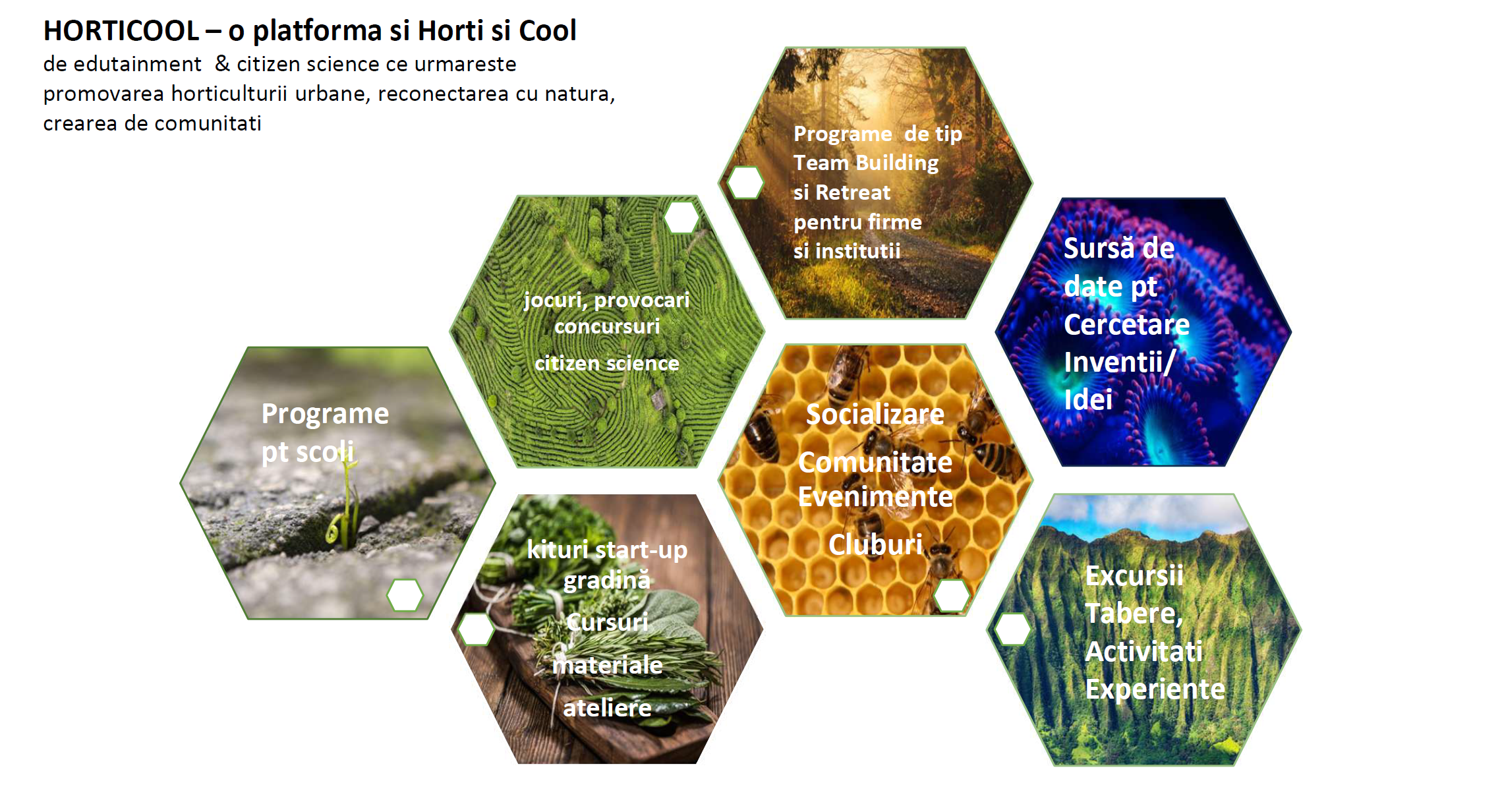
An integrated urban horticulture platform reconnecting children, families and communities with nature through edutainment, citizen science and living school gardens.
The children kept asking: when can we plant again? That question is the whole project.
HORIZON — WHAT WE ARE BUILDING TOWARD
We are not designing the future as objects.
We are designing the systems that will generate it.
01
Domus Pompeiia
All the grandeur of the ancient courtyard house, distilled into a modular system. You don't buy a house. You receive a living organism and plant it where you are.
02
Living neighborhoods
Not housing developments. Organisms. Clusters of homes that produce energy, grow food, manage water and strengthen rather than exhaust the land.
03
Material ecology partnerships
If you are building the materials of the future, we want to be the architects who use them first.
04
Education through experience
One season in a living garden teaches more than ten thousand theoretical lectures.
05
A garden for every living being
From the shelf in a kitchen to the roof of a hospital. From a balcony to a city block. Every place where someone lives needs a garden. We are building the systems, the products and the knowledge to make that possible. This direction is just beginning.
DIALOGUE — IF THIS RESONATES
We are not looking for clients.
We are looking for partners — people and organizations who see the same future and want to build it together.
If any part of what you have read here resonates — not just intellectually, but as a conviction you already carry — we would like to talk.
Not a brief. Not a proposal. A conversation.
ARS Ideas is a living family company. Architects, engineers, horticulturalists, technologists — and four children growing into the company the way plants grow toward light, each finding their own branch.
The company is alive. It grows. It changes. It closes the circle.
The pleasure is in the flow, not in the striving. In the flow with nature, not in the striving against it.
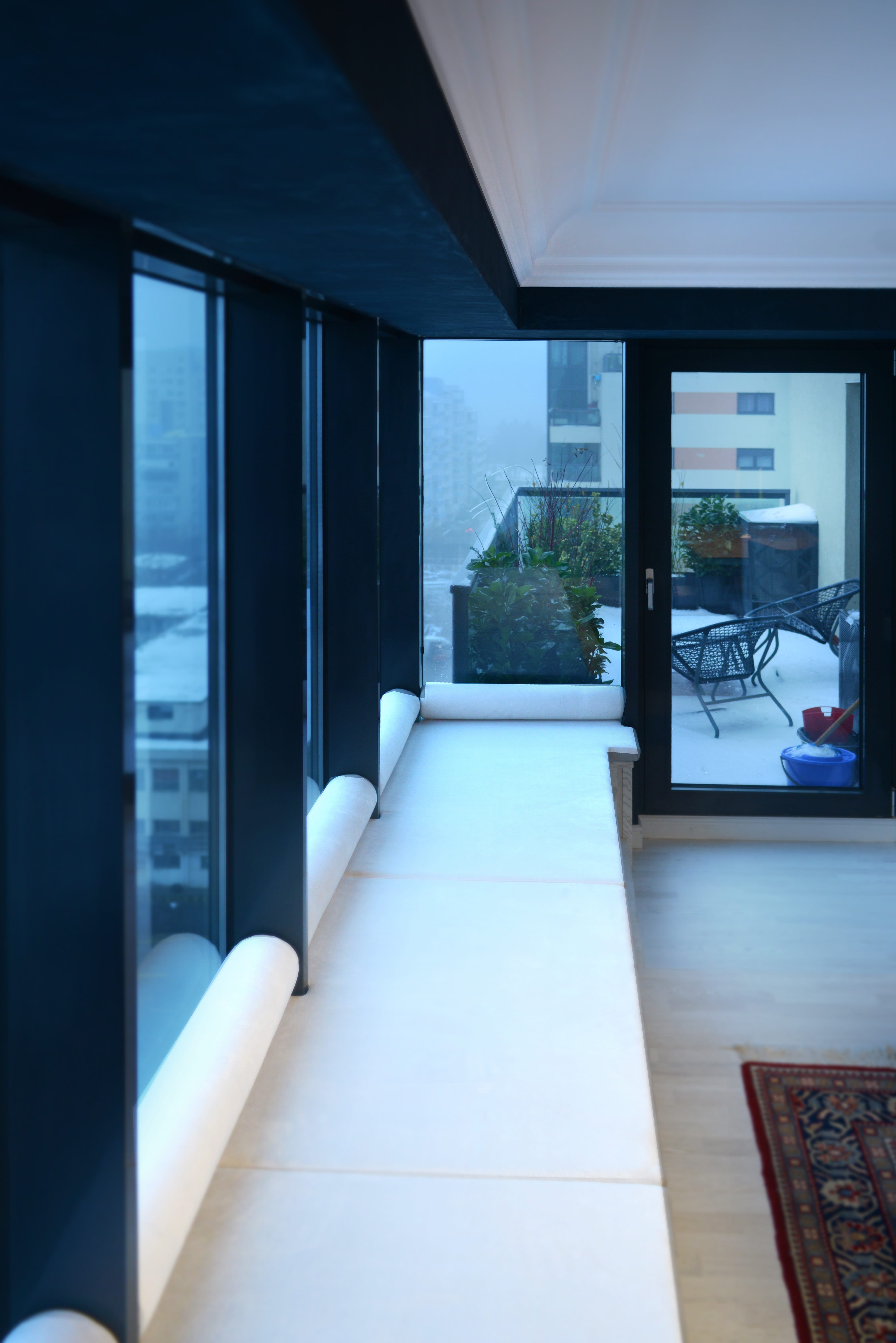
An apartment in the middle of the city, imagined as a house with a garden.
Designed and realized in 2013–2014, this project transformed a newly delivered apartment into a private interior landscape — an oasis for returning from work, unwinding, cooking, hosting, working, sleeping and inhabiting memorable moments of quiet. What mattered was not only comfort, but a form of aesthetic nourishment: a space able to calm, restore and hold life generously.
The spatial structure includes a living area, bedroom, office, entrance hall and two balconies. Certain parts of the apartment were left as given; the intervention focused on shaping atmosphere, identity and depth, turning an anonymous shell into a place with presence, memory and character.
The ambition was simple and difficult at once: to make an urban apartment feel rooted, restorative and alive.
ATMOSPHERE
The apartment was created for a young couple stepping away from a classical family villa surrounded by gardens. It needed to be contemporary, but not severed from memory. Modern, yet carrying traces of another rhythm of life — one with greenery, depth, intimacy and a sense of retreat.
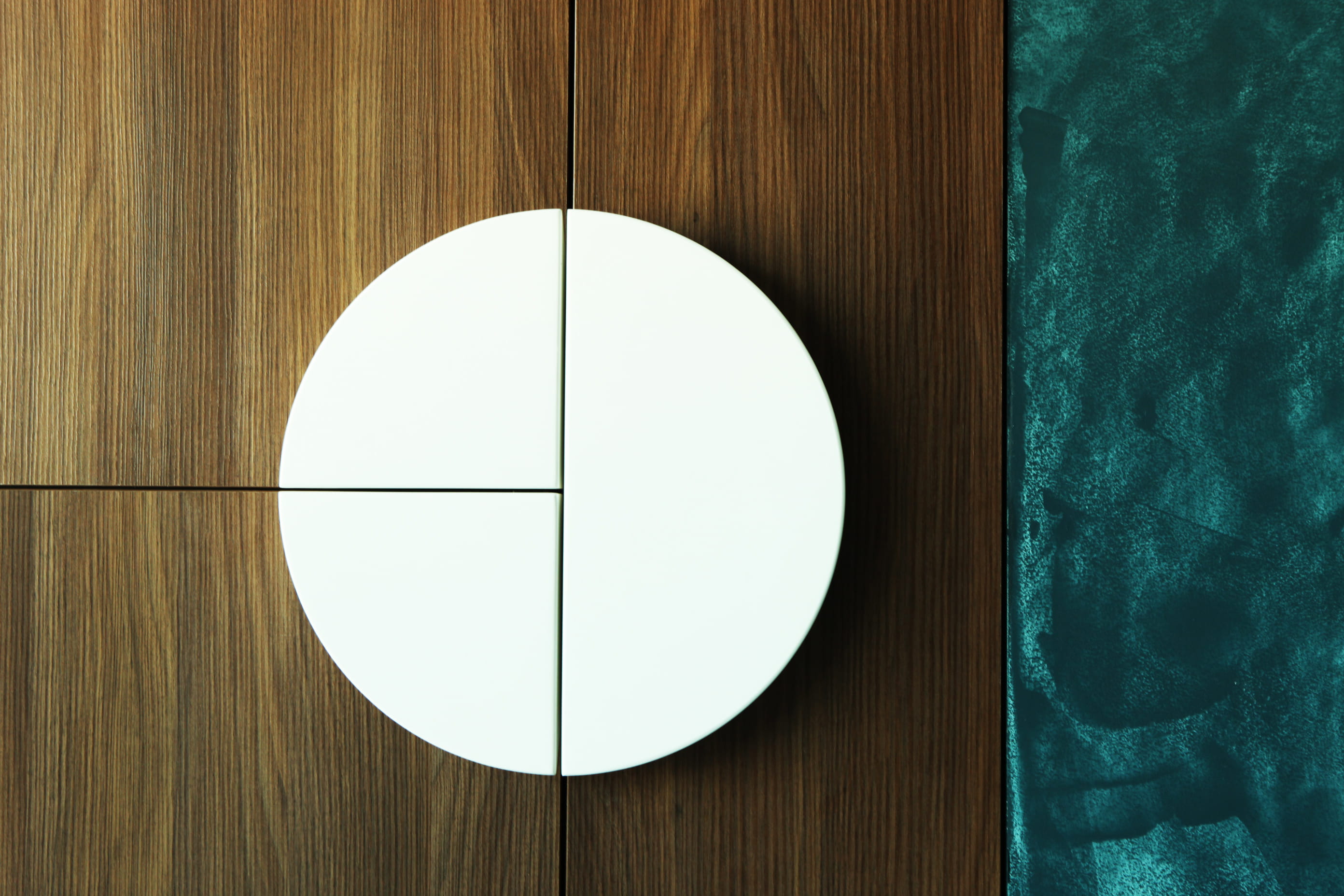
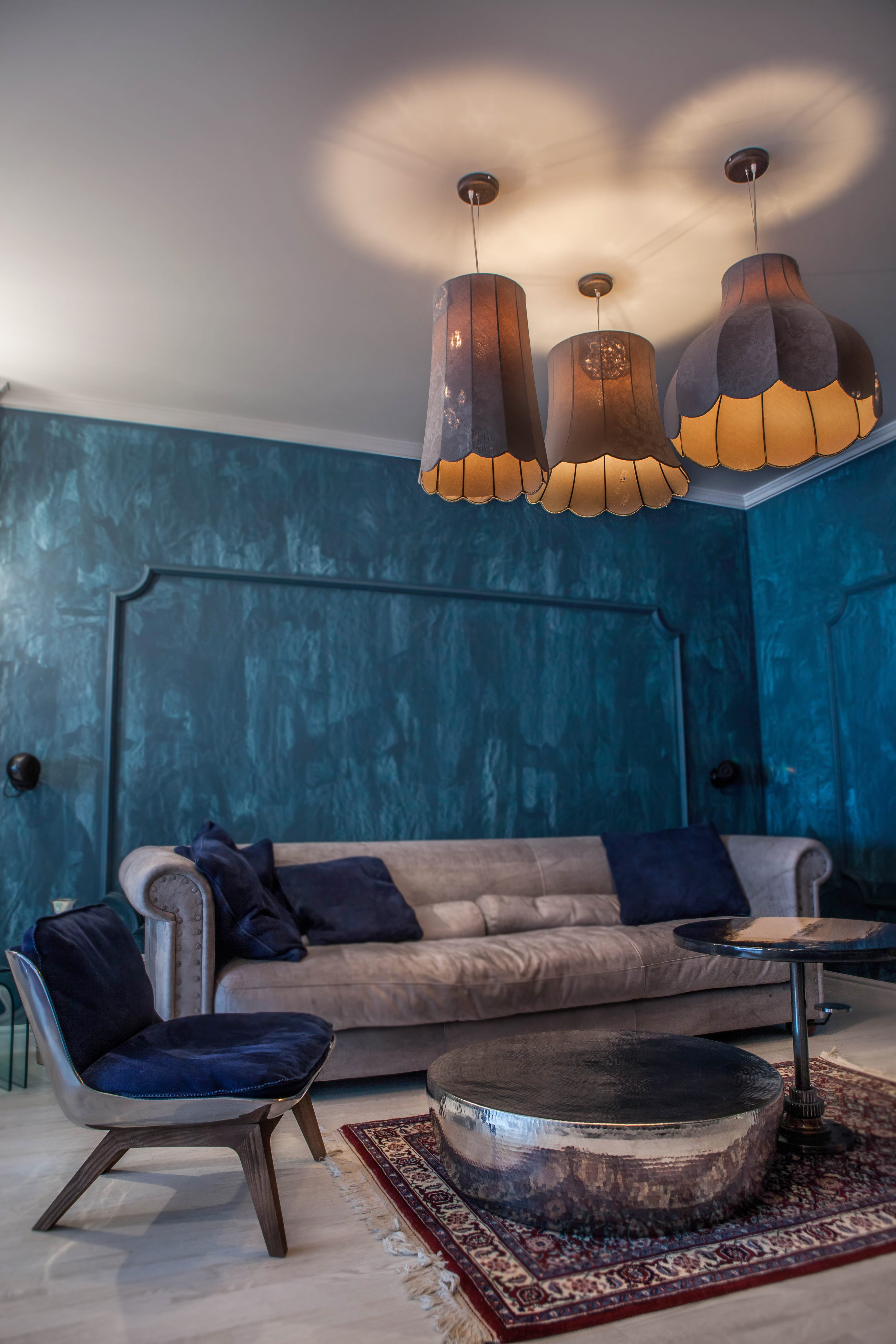
The walls were finished with a textured plaster imagined somewhere between a Venetian palace marked by flooding and a pair of worn denim jeans: refined, imperfect, softened by time. This finish gave the interior emotional depth and a slightly dreamlike materiality.
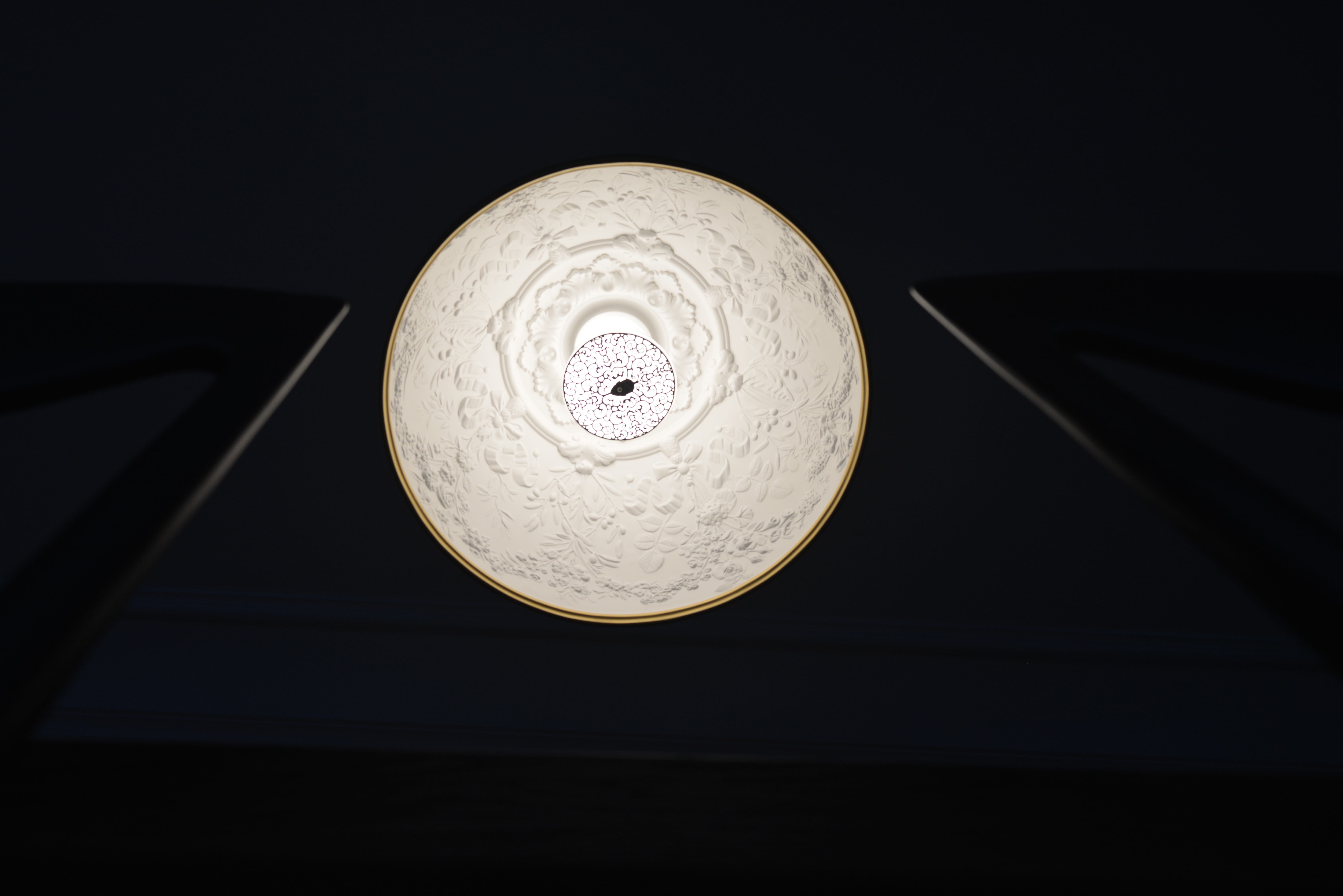
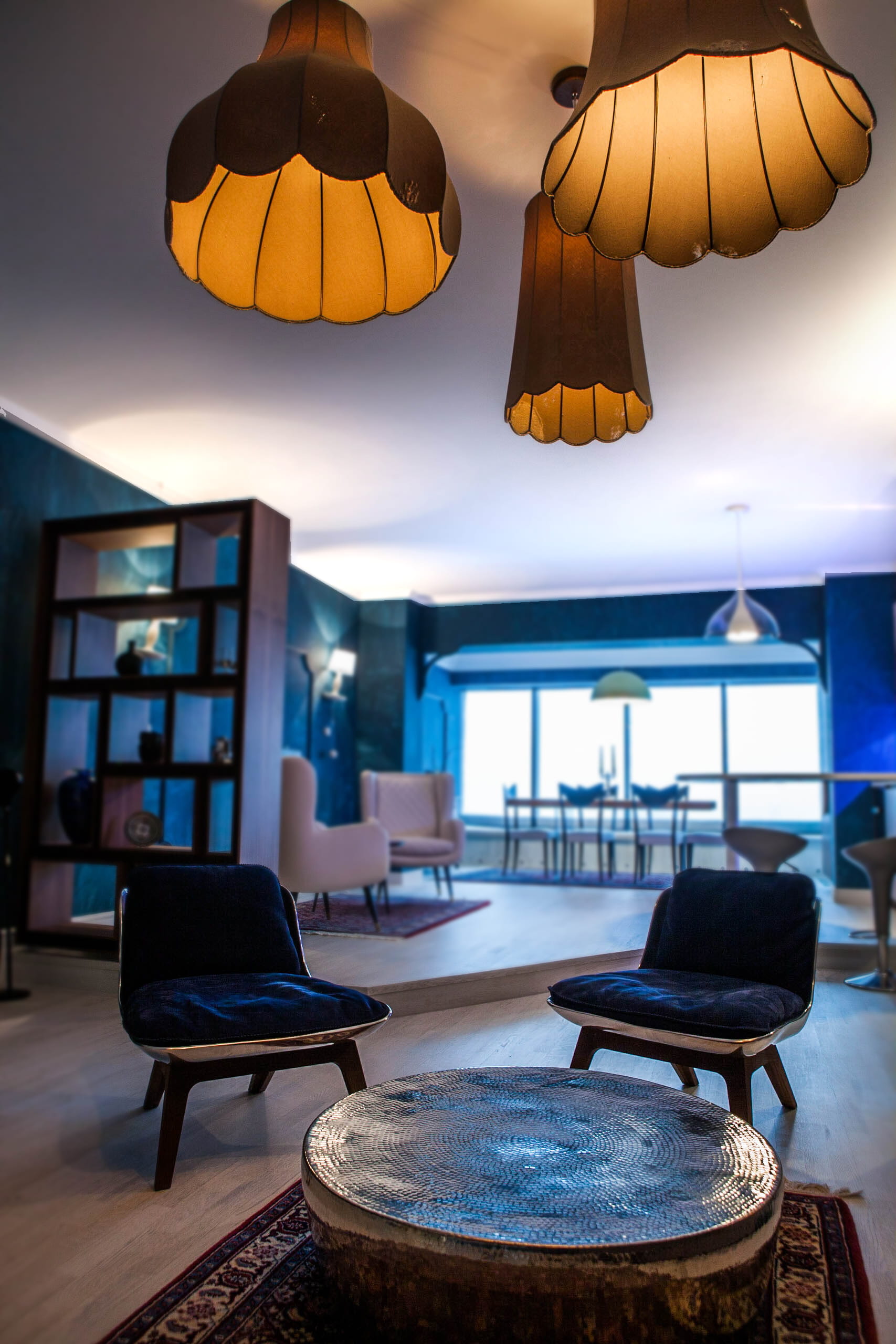
Lighting was treated not simply as illumination but as atmosphere. Pieces by Flos, Terzani and Karman give the apartment a nocturnal softness, at moments almost like a countryside villa touched by wilderness.
MATERIALITY
Baxter is the strongest presence in the social spaces: the living room sofa, the dining chairs, the fireplace armchairs and the small blue table bring weight, tactility and sensual material richness. They anchor the apartment and give it gravity.
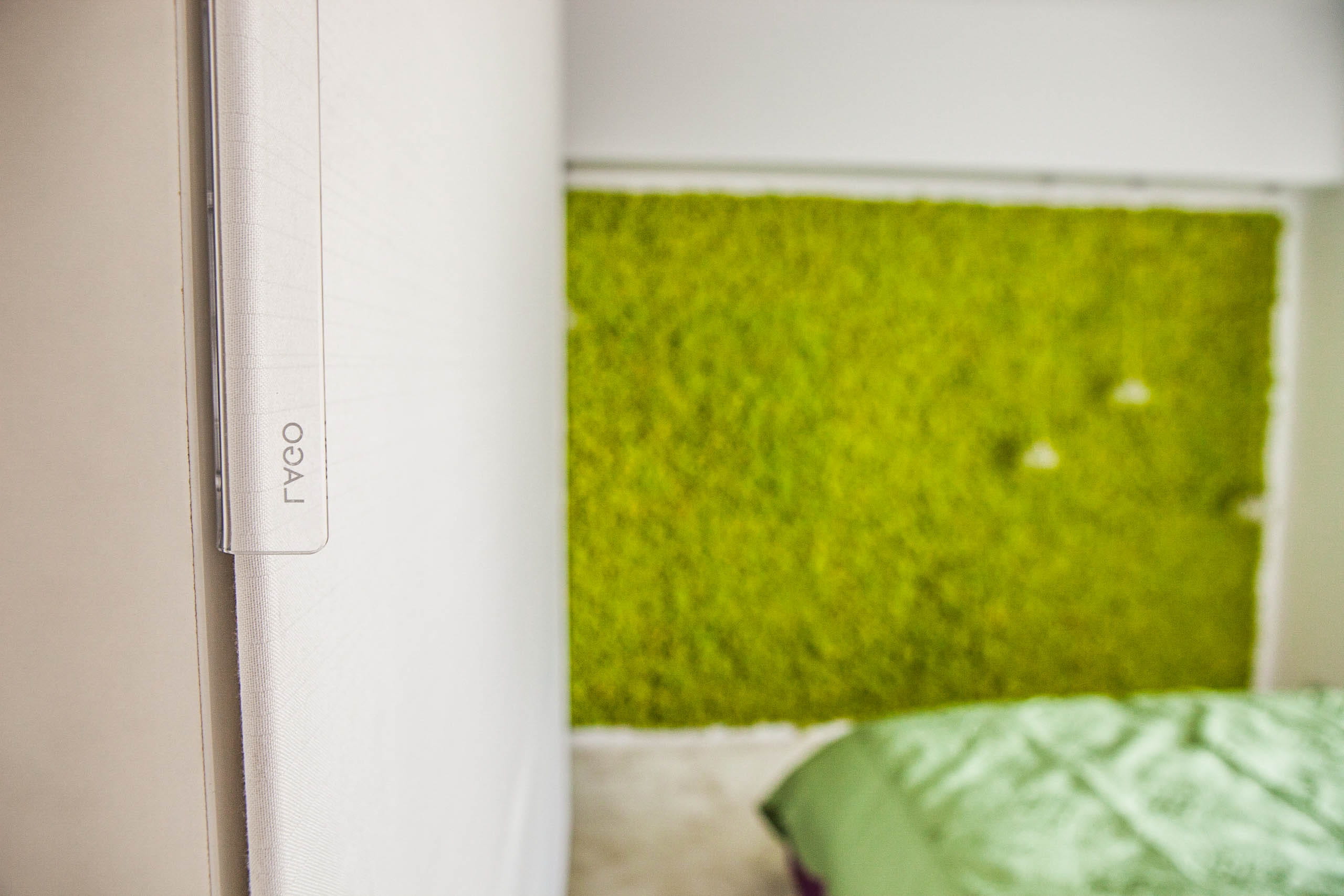
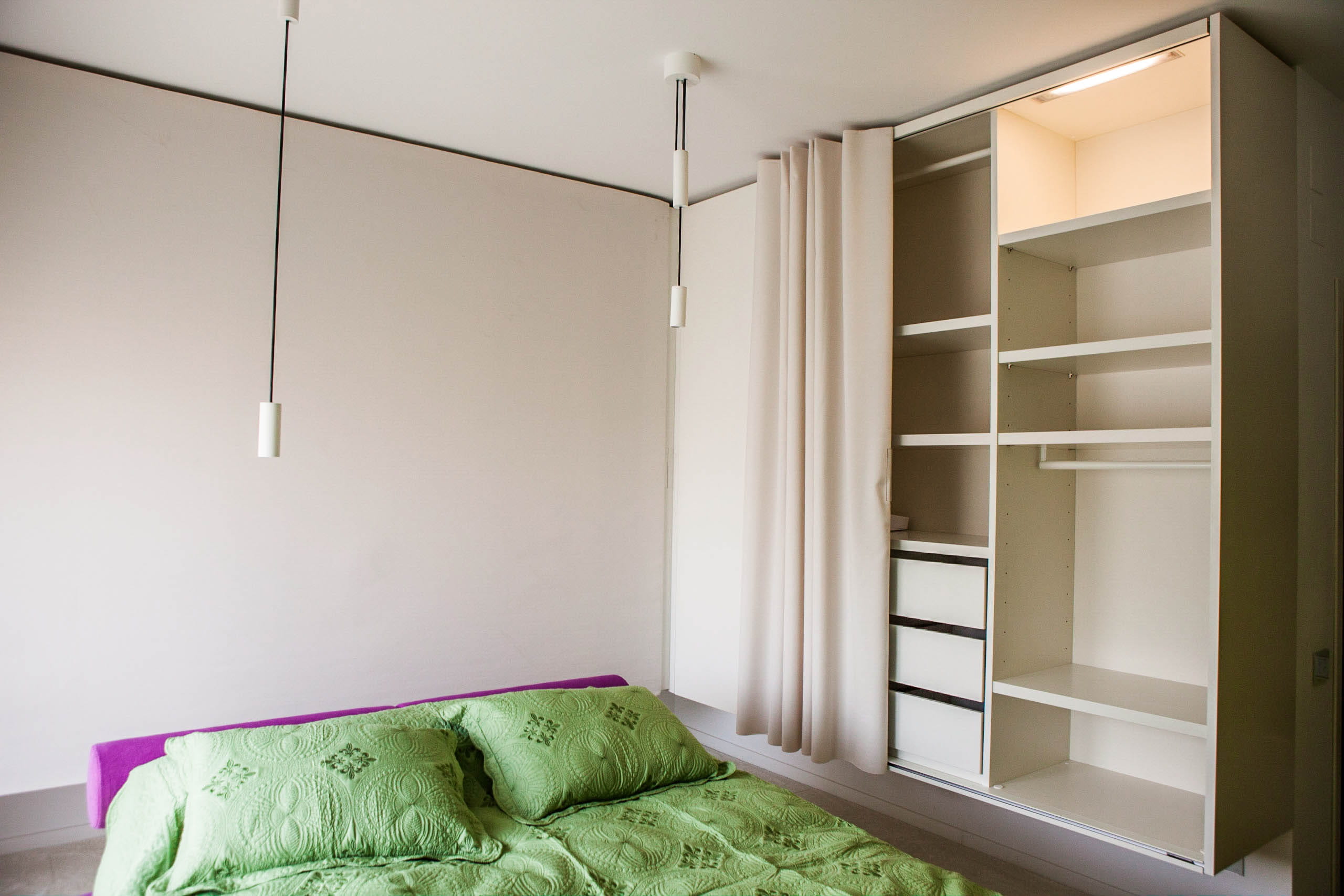
Against this, Lago introduces suspension and lightness: the Air dining table and the Voilà dressing system seem to hover, adding a sense of levitation to the composition.
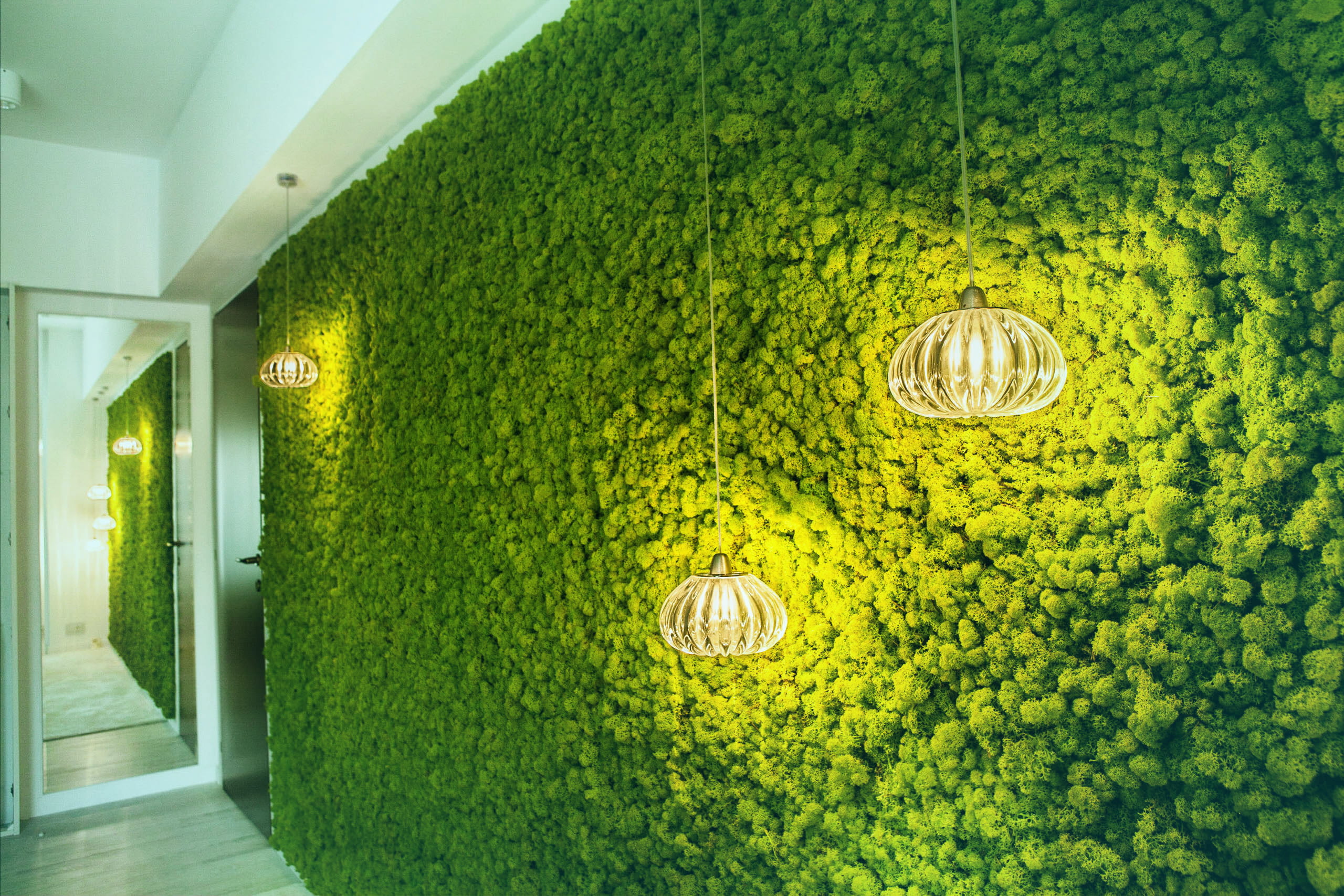
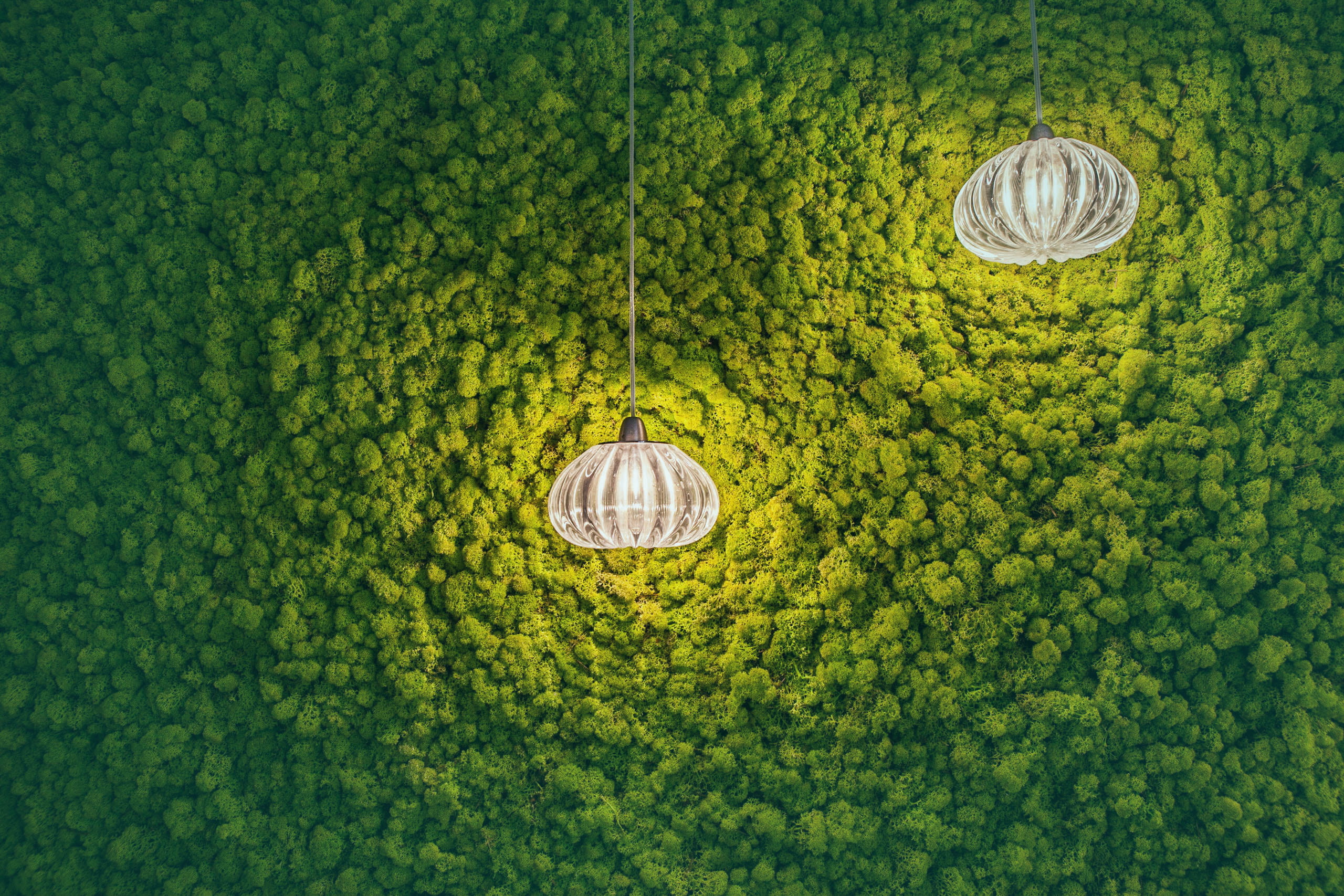
In the bedroom, the preserved lichen wall turns the act of falling asleep and waking up into an encounter with a quiet garden — almost as if small fireflies might appear there at night. Nature is not an accessory in this project; it is part of the emotional architecture.
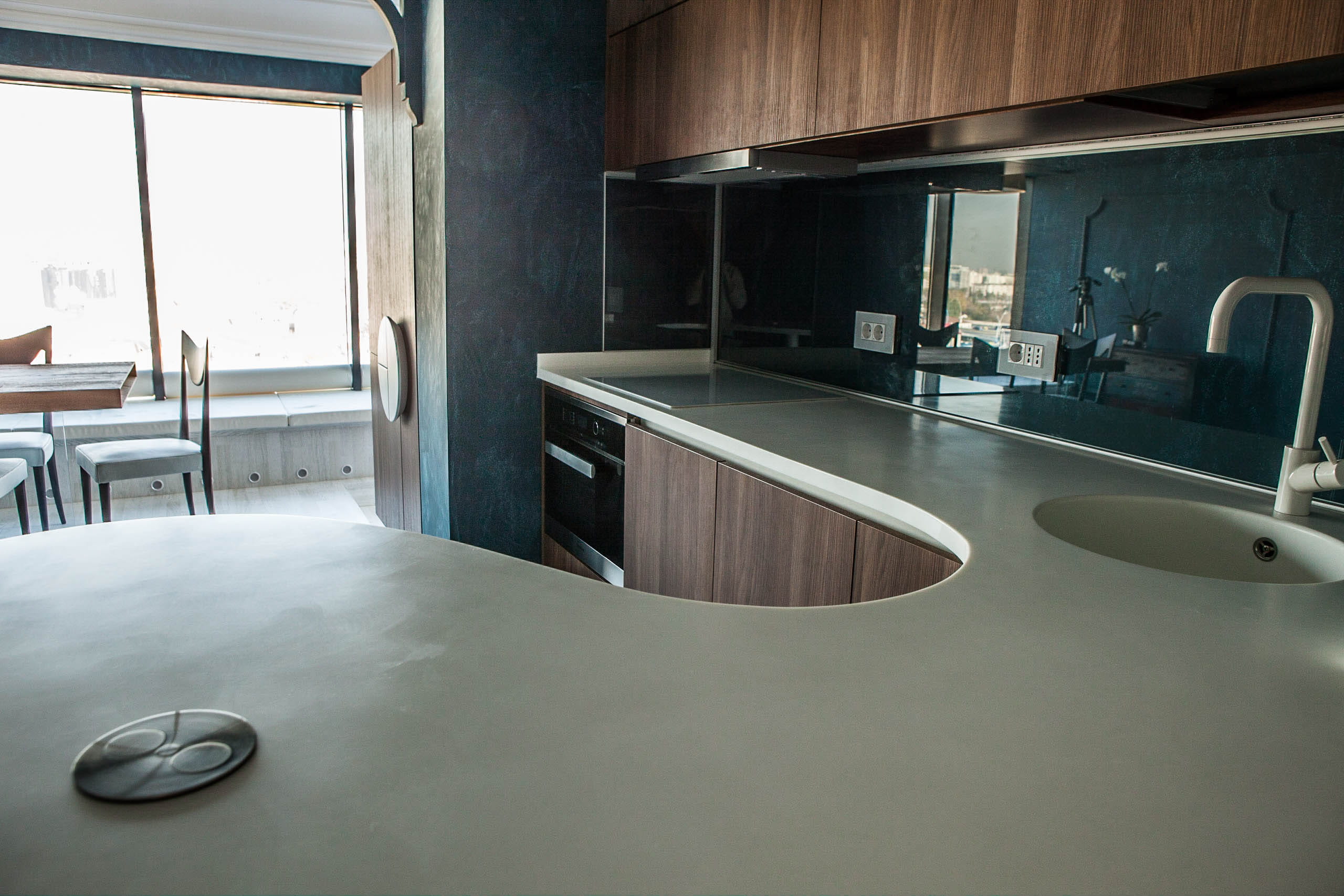
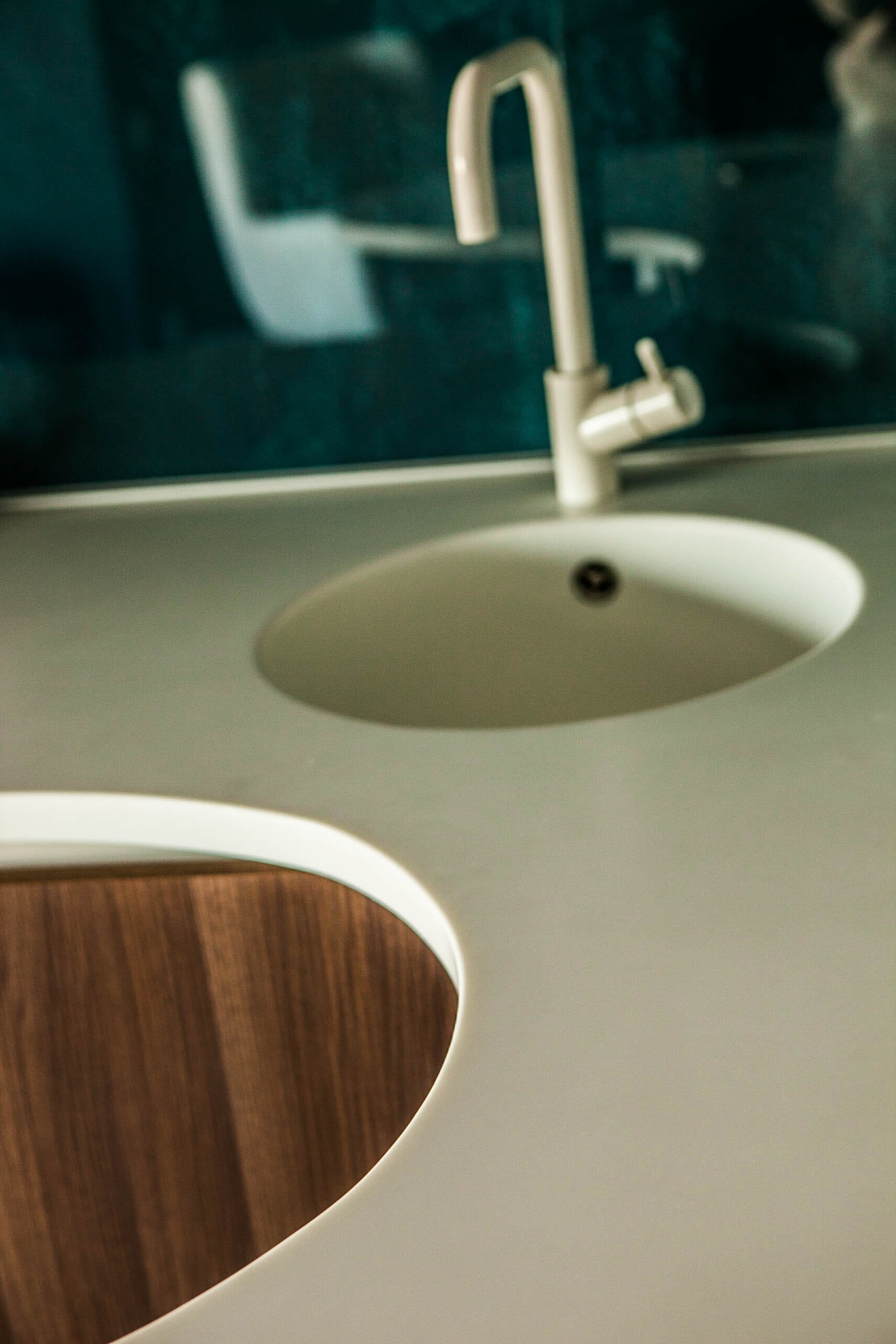
The kitchen, executed by a local supplier, was built around a Corian worktop and integrated into the larger material atmosphere of the apartment rather than treated as a separate technical zone.
PROJECT CREDITS
Design lead and vision: Cristina Arsenie Collaborator: Architect Diana Șarapatin Photography and film: Architect Aliona Danielescu and Florin Cristache
PROJECT FILM
PHOTO GALLERY
Lichen wall — primary atmospheric elementThreshold and living sequenceLight as atmosphereDining and living continuityUrban edge, interior calmFireplace compositionLiving green surface and pendant lightDetail — Vitrum switch on wood and textured wallKitchen with Corian worktopCurved counter and dining depthKitchen–dining–living sequenceLibrary and Baxter presenceAir table and suspended edgeLiving room atmosphereBlue table and Baxter armchairDining axisCorian and soft curvesBedroom garden wallBedroom and floating storageLiving room, evening moodLiving room with layered lightingKitchen island and night atmosphere
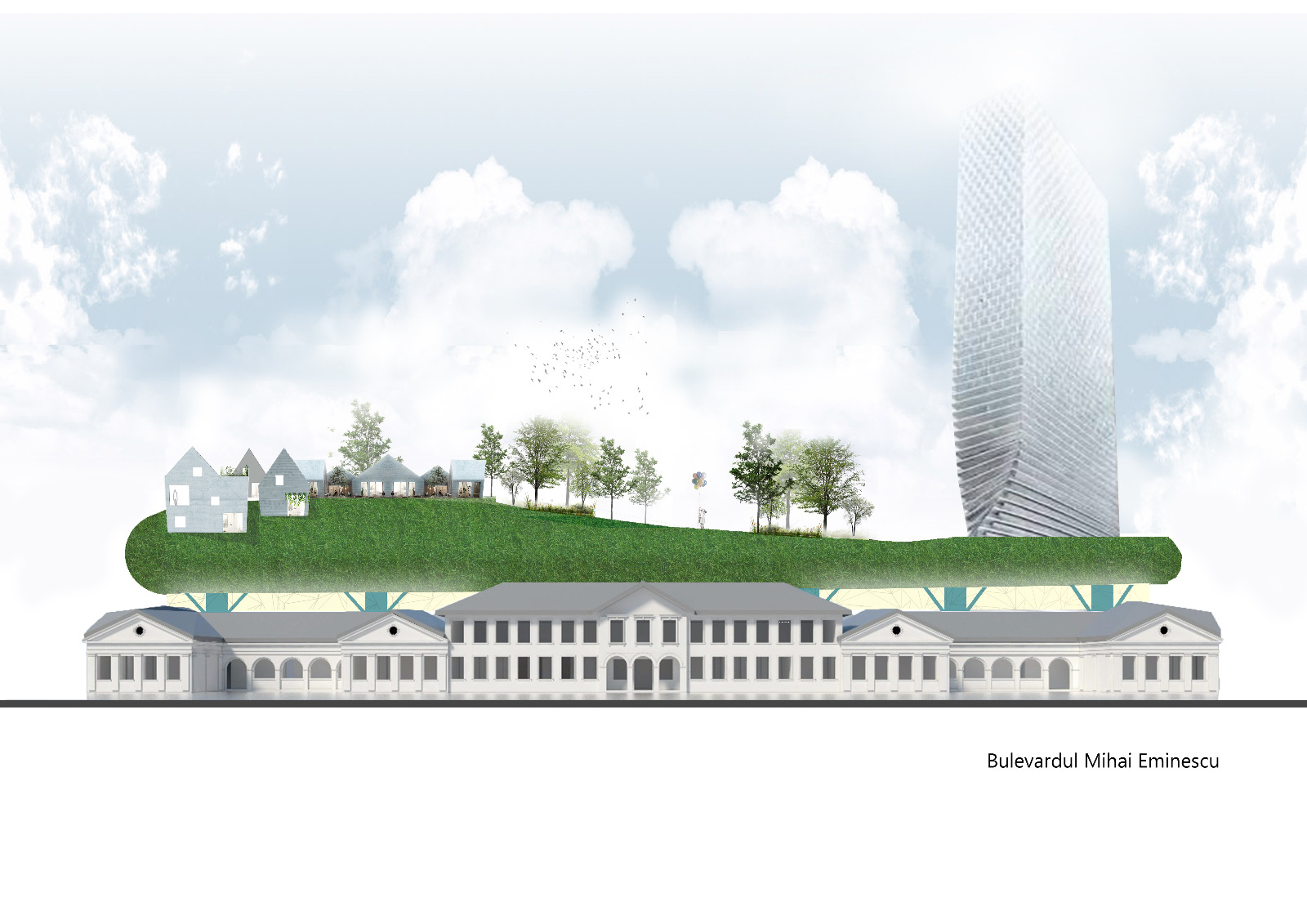
An urban concept developed in 2017-2018 for a fragile historic site on Bulevardul Mihai Eminescu, in the context of Timișoara's role as European Capital of Culture.
This project began as an analytical assignment. We were invited to study the city of Timișoara and a specific intervention site, and to articulate arguments for the need to introduce new functions — in the context of the city's upcoming cultural moment.
The initial phase was not about proposing forms, but about understanding. Understanding the city, its layers, its tensions, and the deeper logic that shaped it over time. What emerged was not a simple site, but a complex deposit of memory — architectural, urban, and emotional.
The analysis revealed a dual condition: an obligation to preserve the existing buildings as carriers of a layered and fragile continuity, and at the same time an opportunity to build vertically — grounded in the city's historical evolution and morphological structure.
Rather than forcing a single compromise, we formulated three distinct proposals — each a coherent answer, each negotiating memory, transformation and future growth in a different way.
THE TENSIONS OF THE SITE
Two existing buildings — an inspectorate and a former high school — stood on a fragile historic plot under strong pressure to densify. Every conventional solution produced compromise: either the past was reduced to a token façade, or the future was denied the scale the city needed.
As the process advanced, it became evident that a single, linear solution could not respond to the complexity of the situation or to the diversity of stakeholders involved. Different forces were pulling in different directions: the need for development, the need for preservation, institutional constraints, symbolic and cultural expectations.
The site was not treated as a blank canvas, but as a deposit — each layer of its history acknowledged, each new gesture inserted between the layers rather than on top of them.
THREE COHERENT ANSWERS
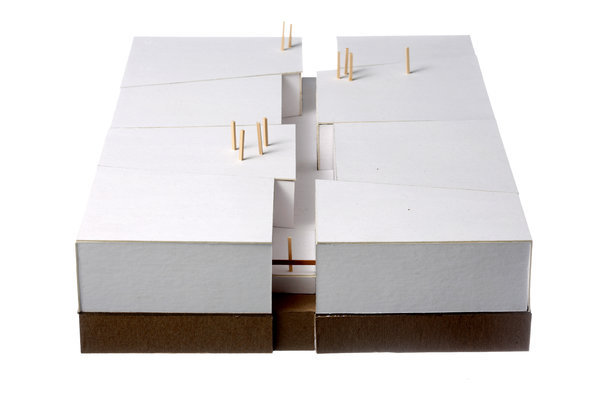
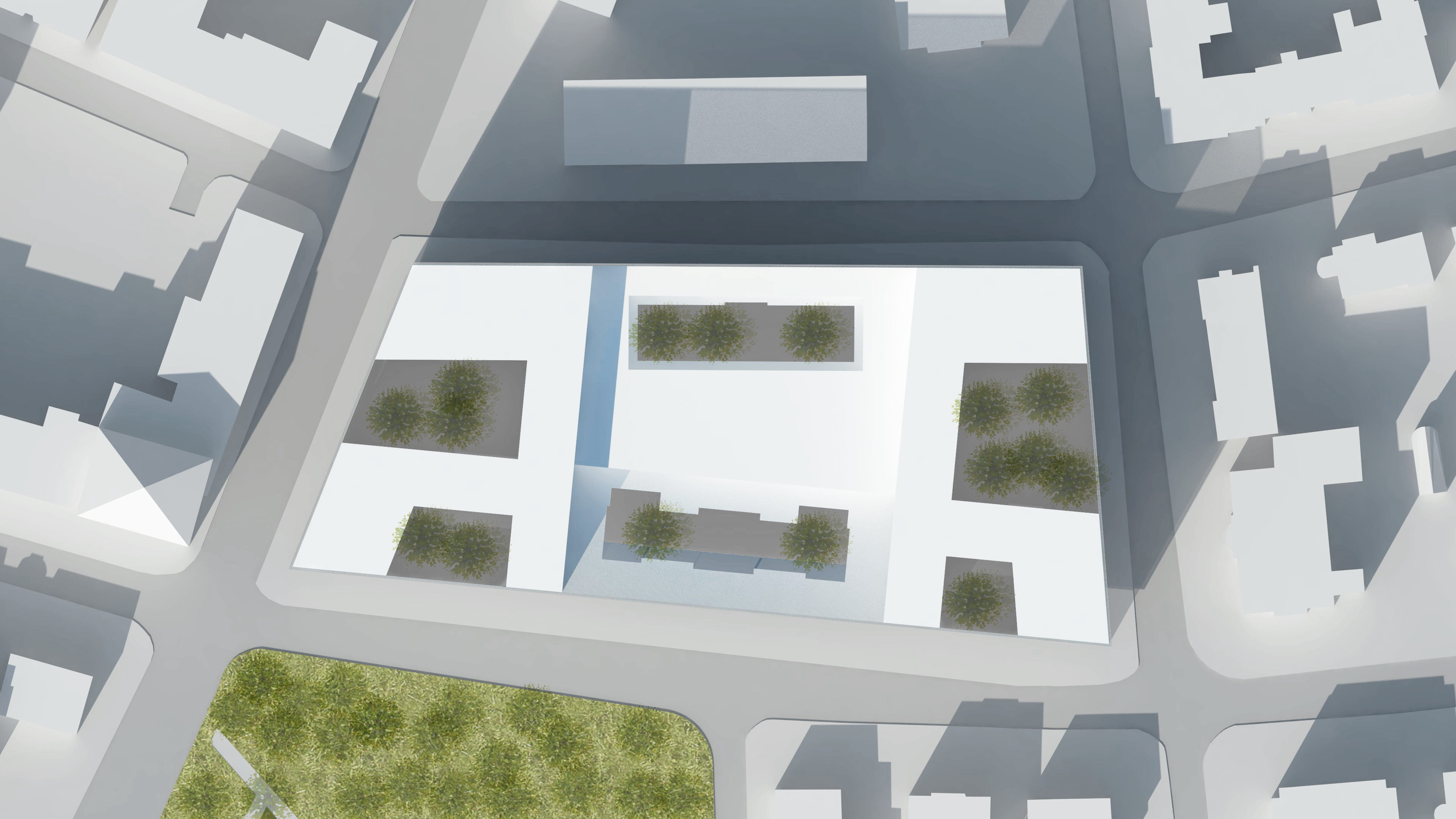
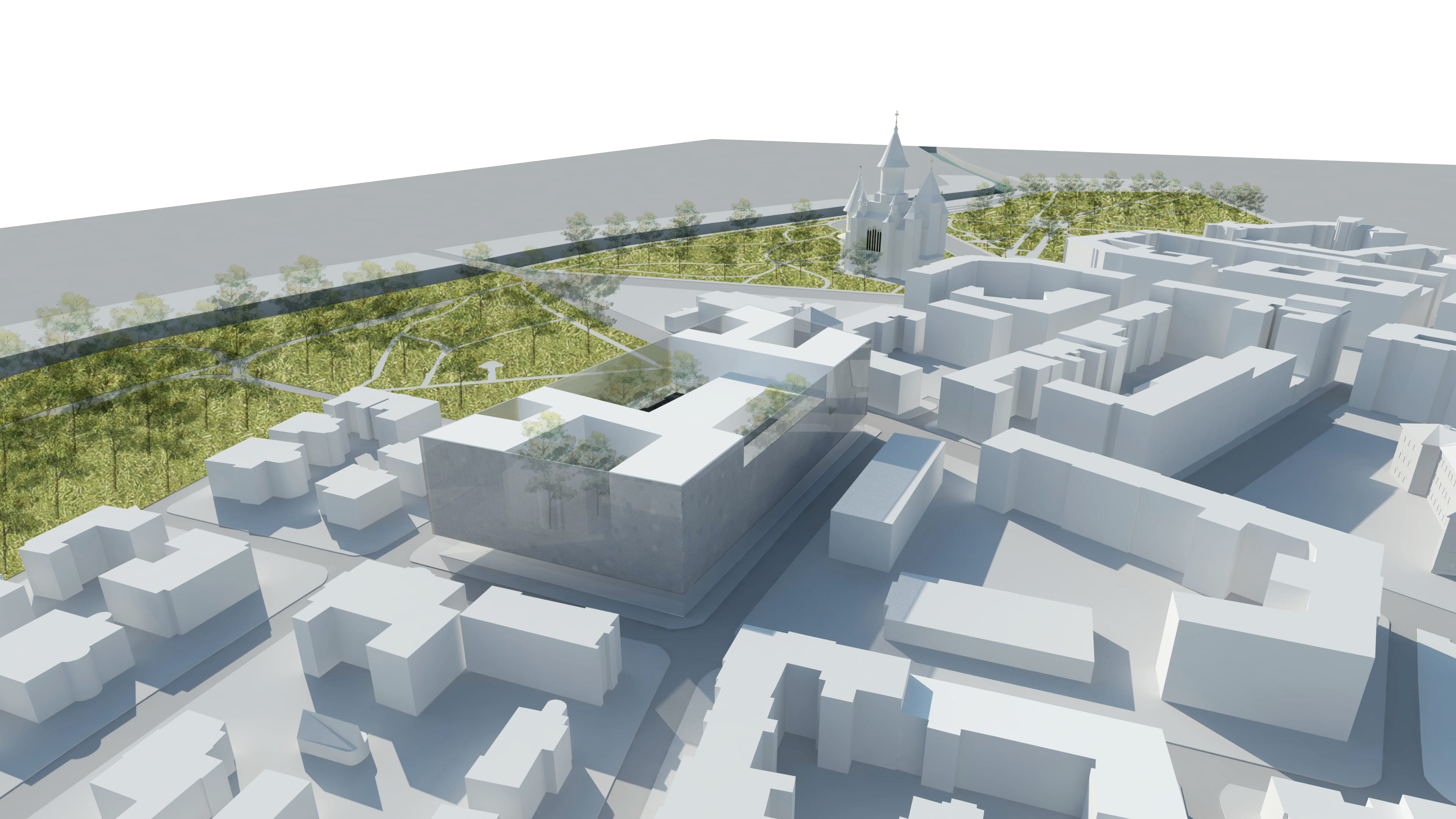
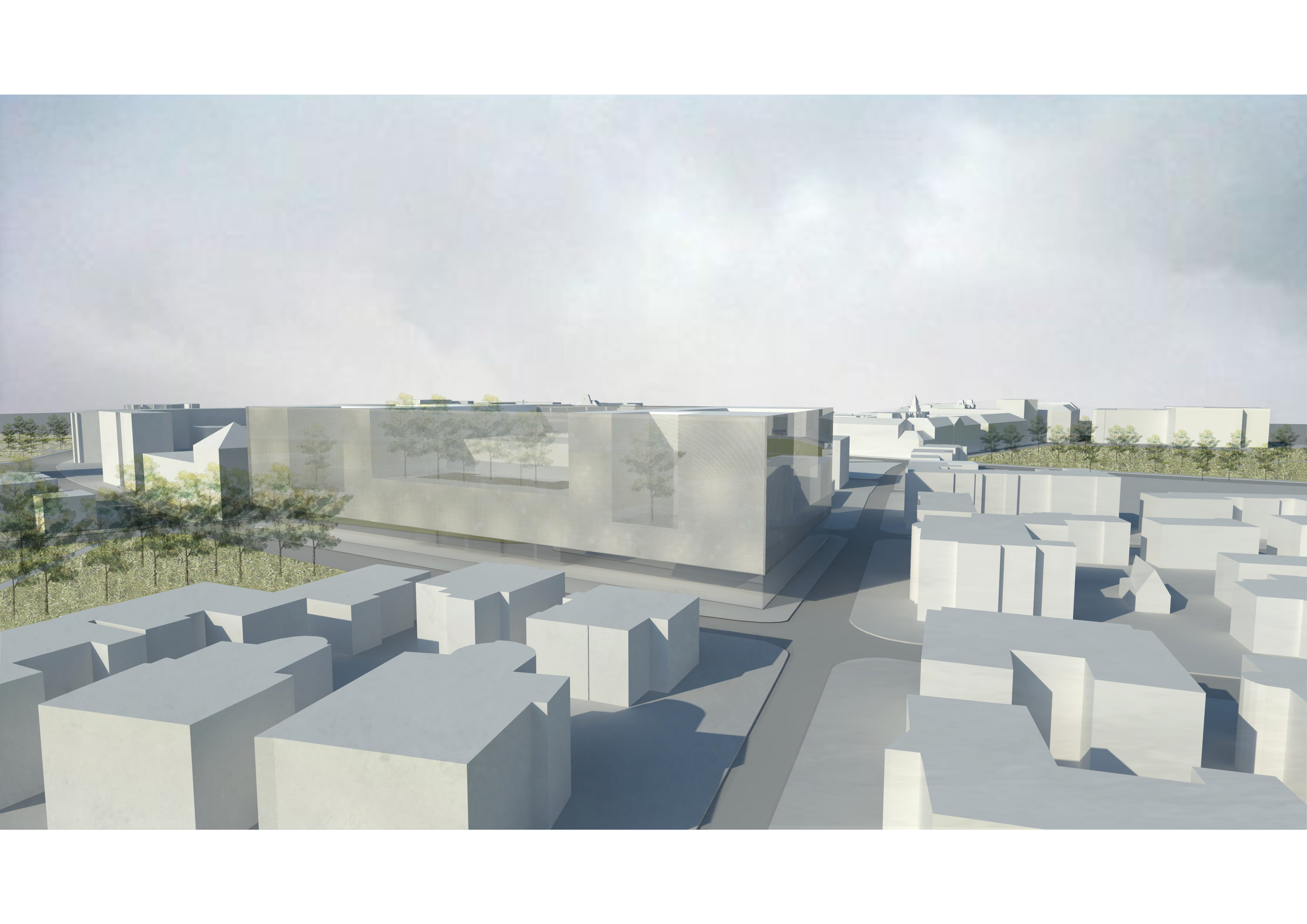
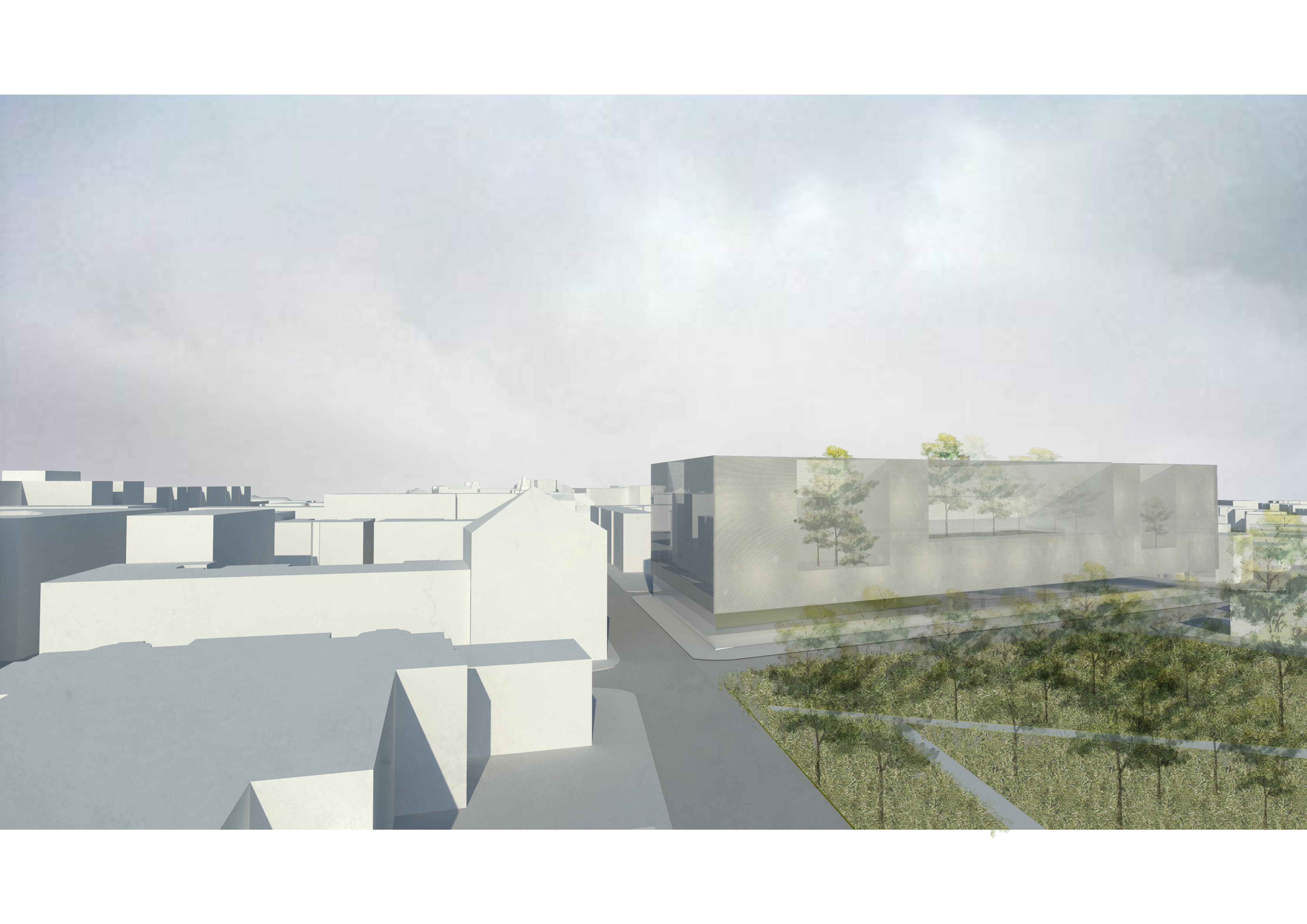
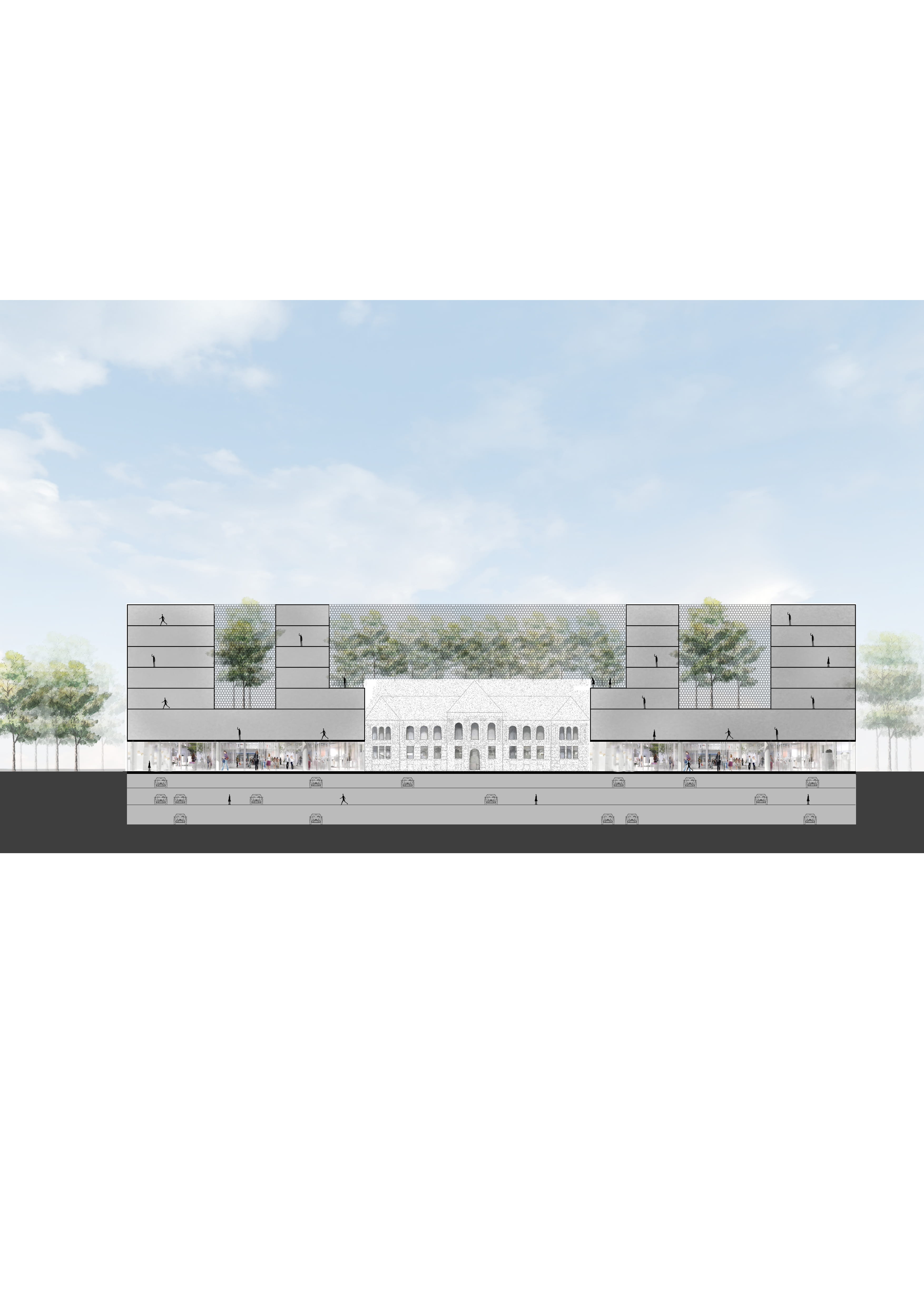
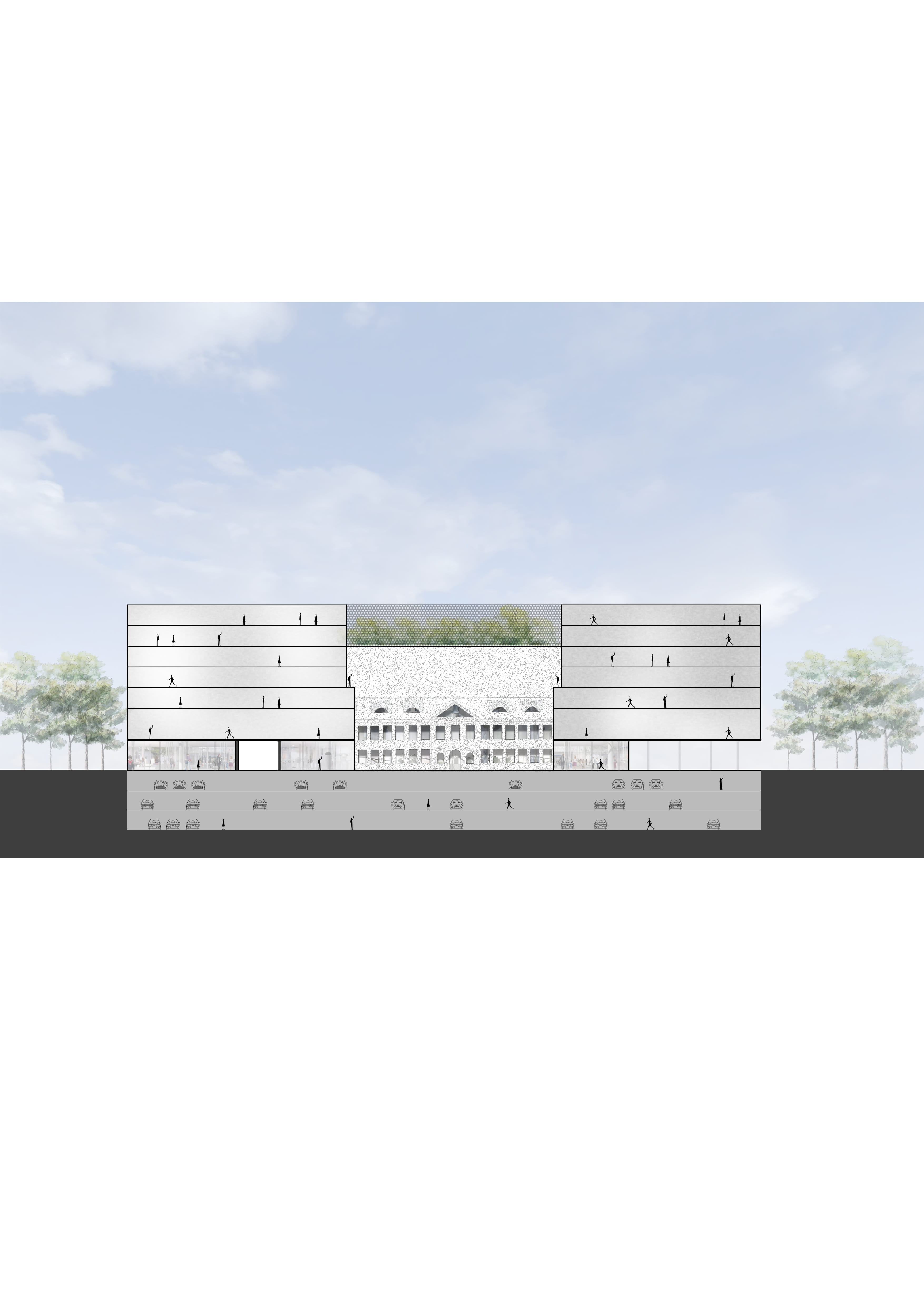
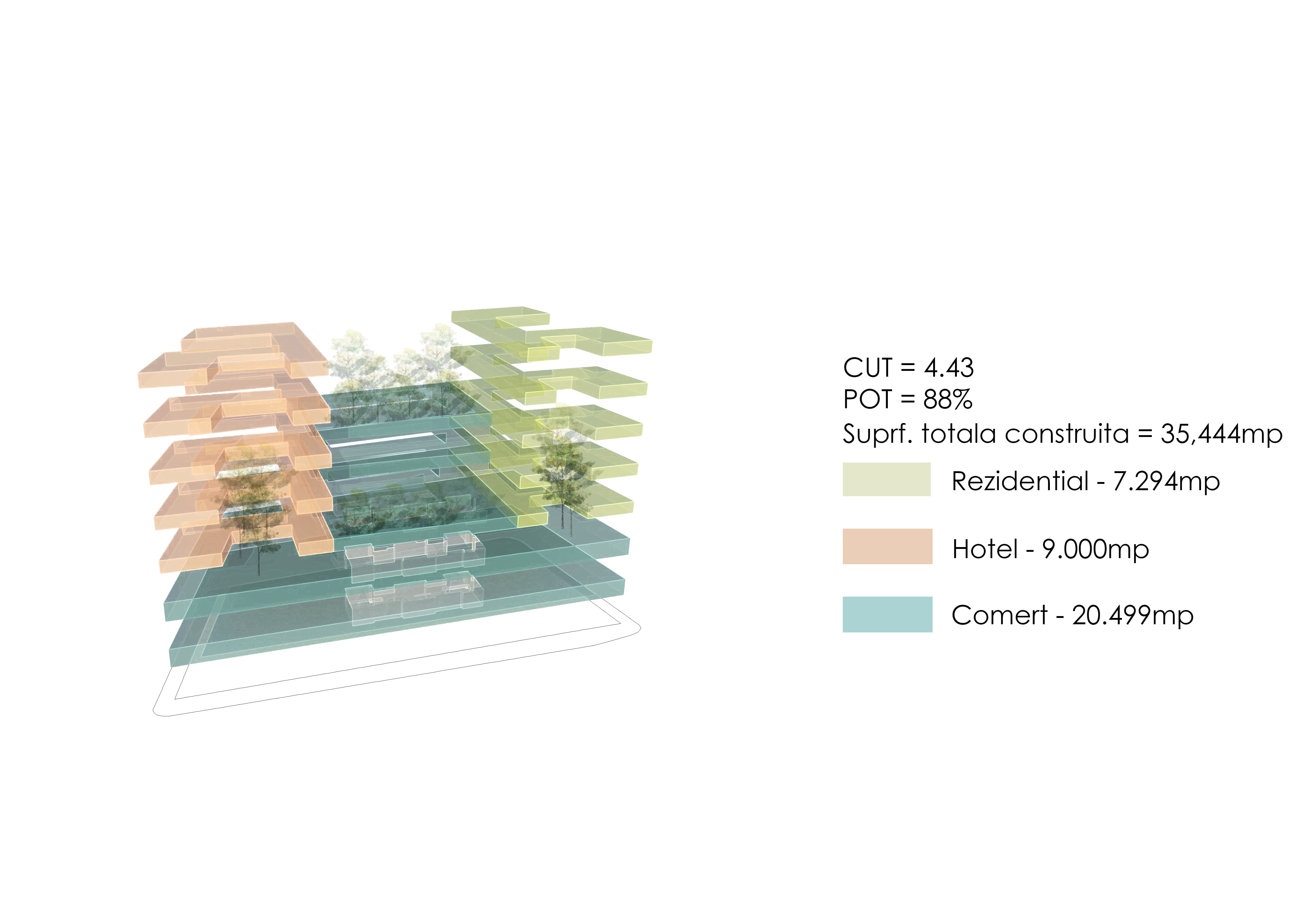
01 — The Solid Becomes Void. A clean, precise prism hovers above the entire plot. The existing buildings become interior courtyards; their facades become inward-facing traces of memory. Heritage preserved through spatial and emotional transposition rather than literal retention.
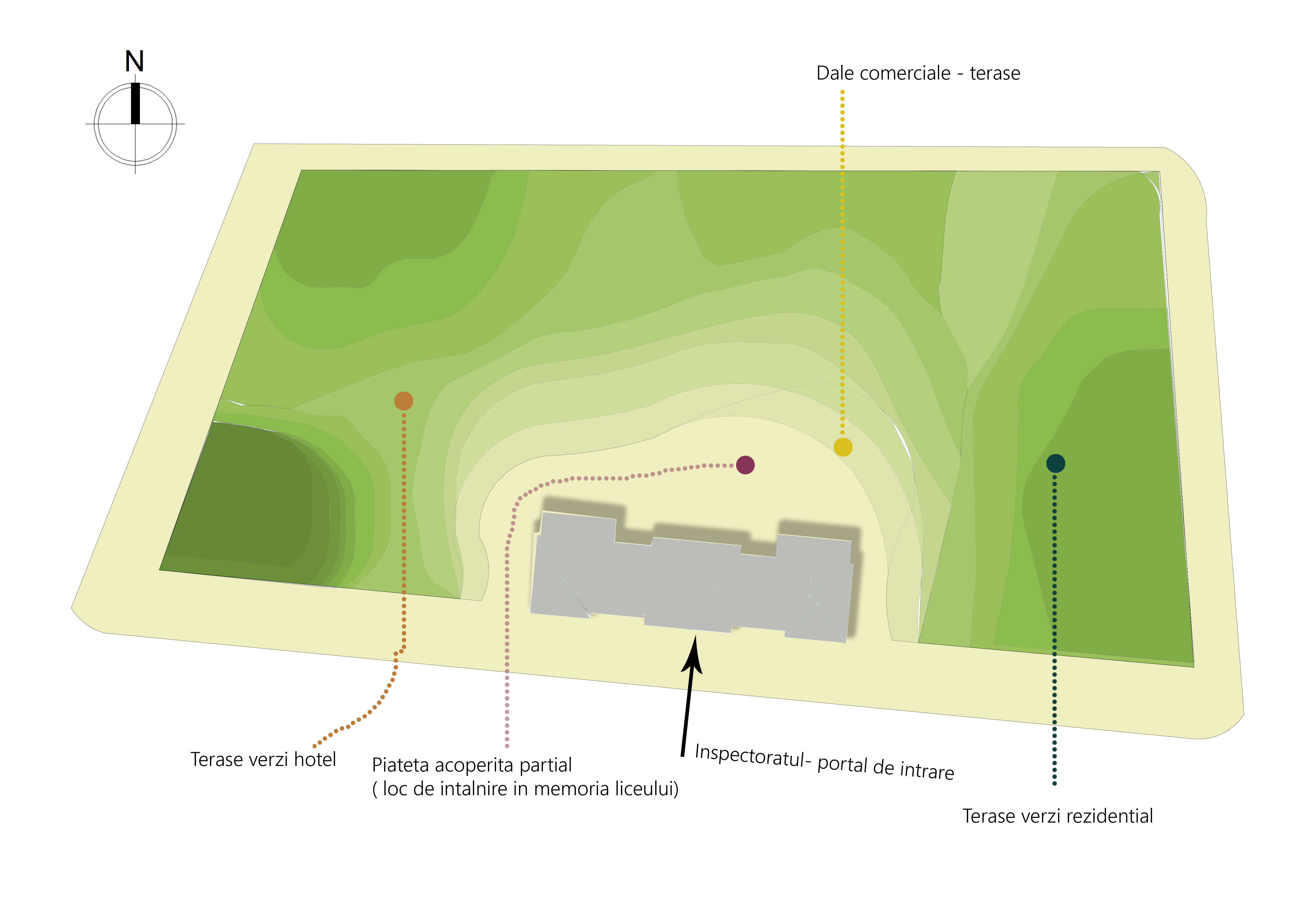
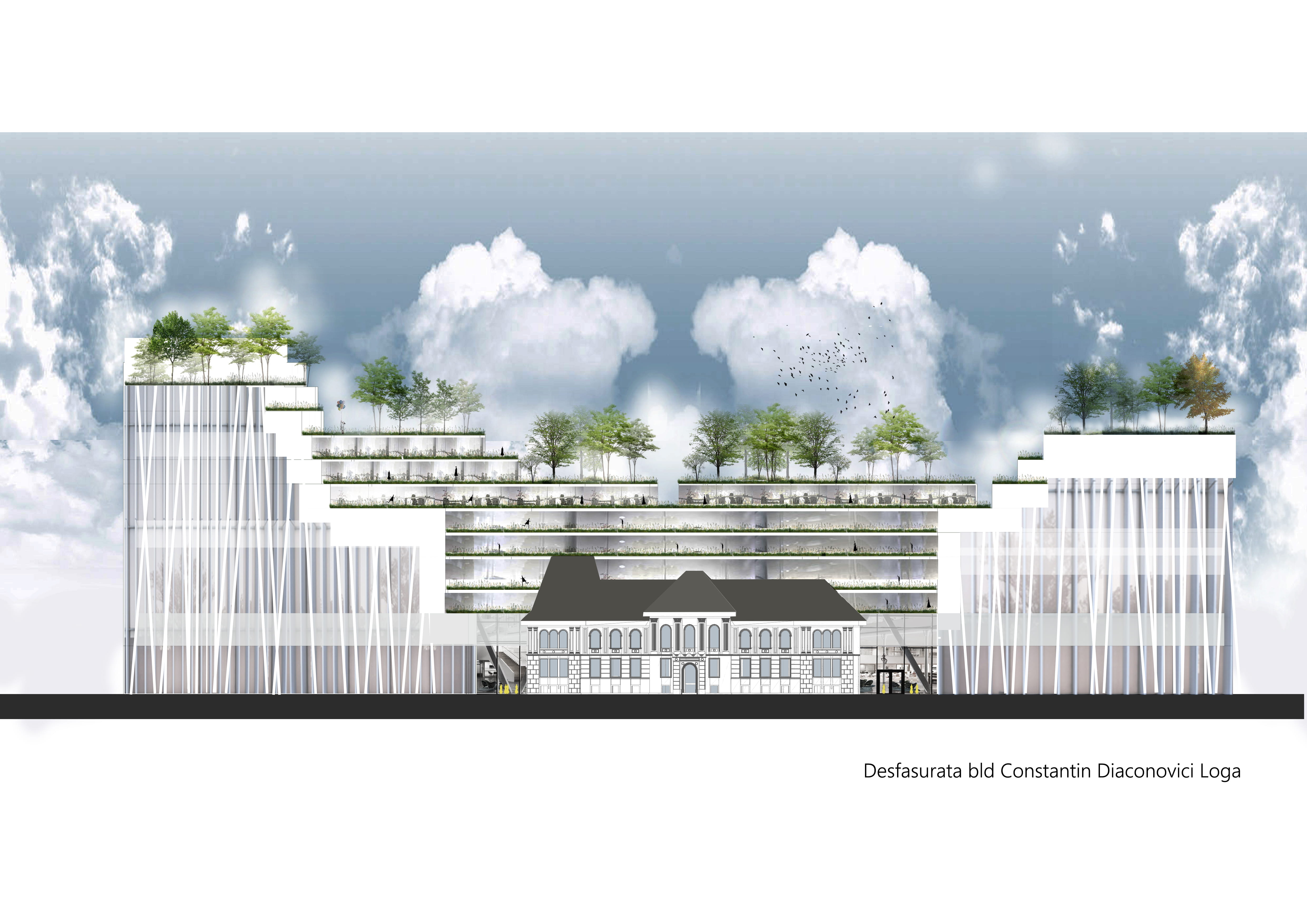
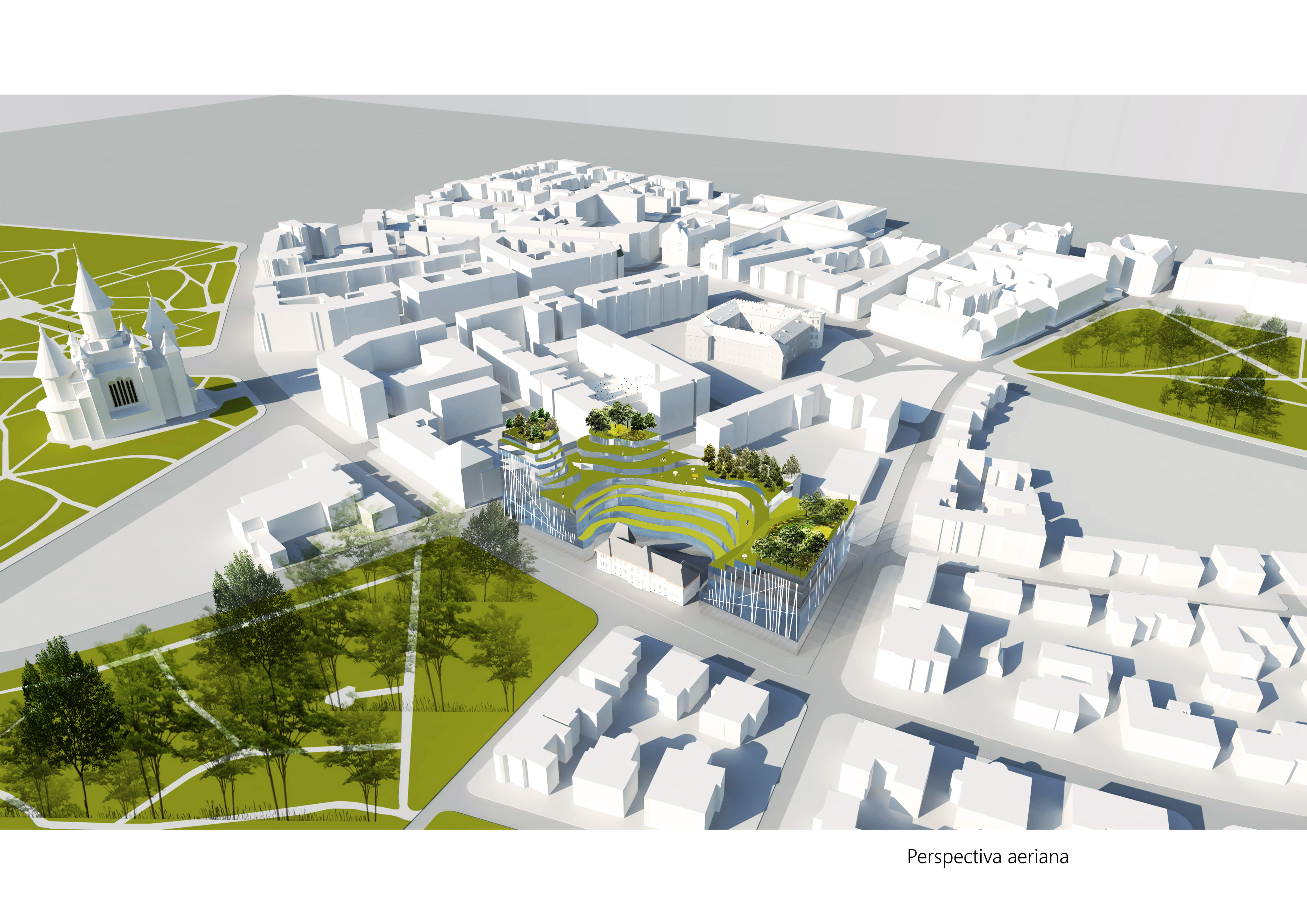
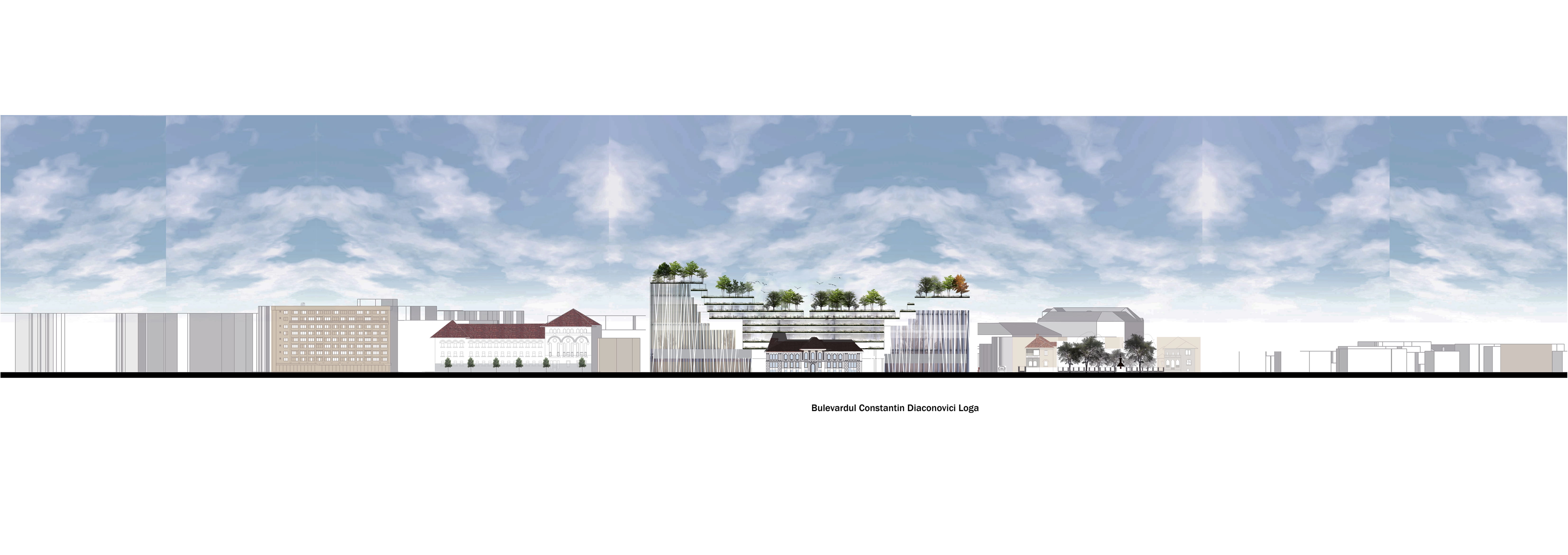
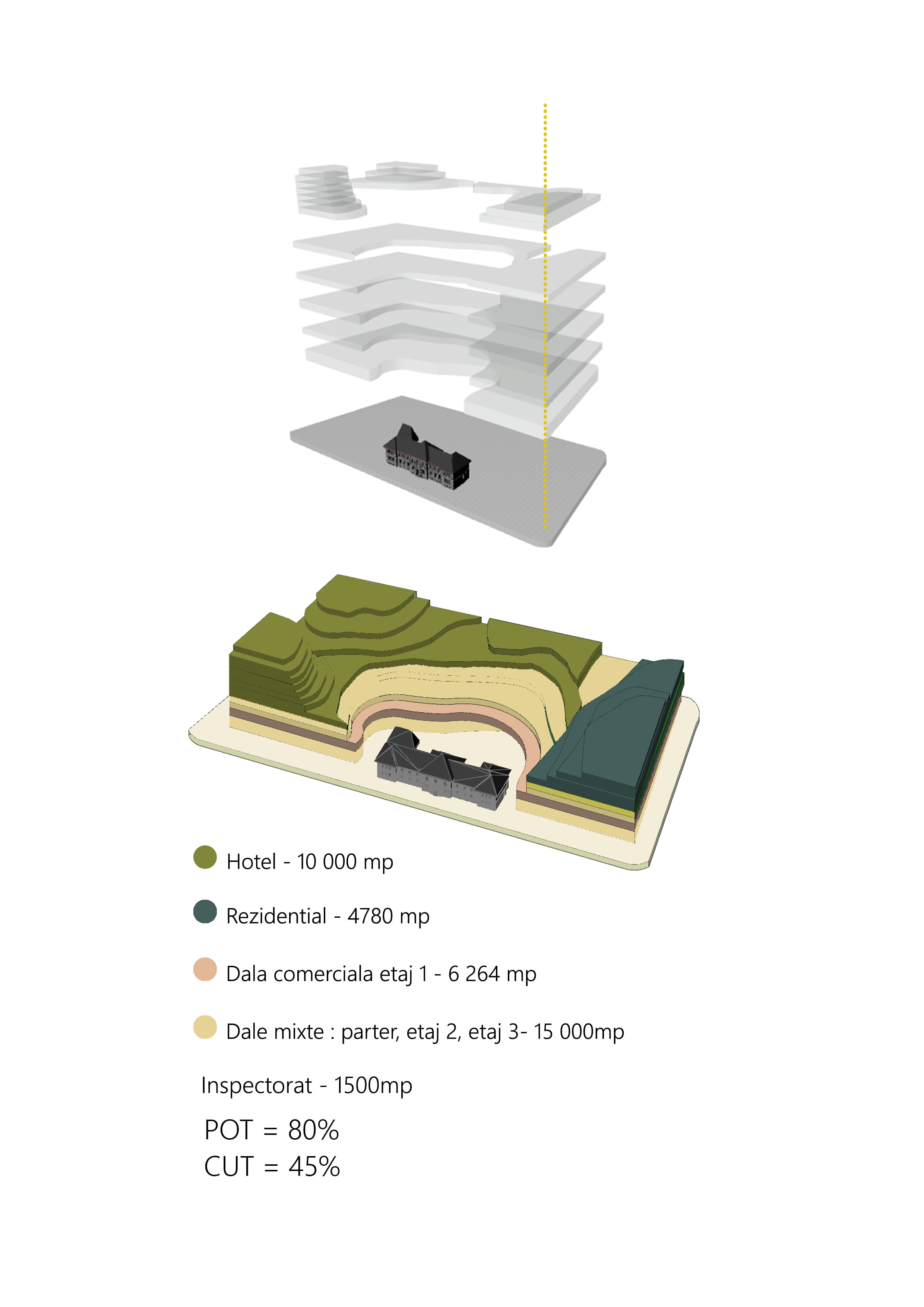
02 — The Building Becomes Landscape. The project refuses to add one more volume and instead thickens the ground. Program is distributed as terraces, planted surfaces and stepped occupiable layers, while the inspectorate remains legible as the persistent architectural core.
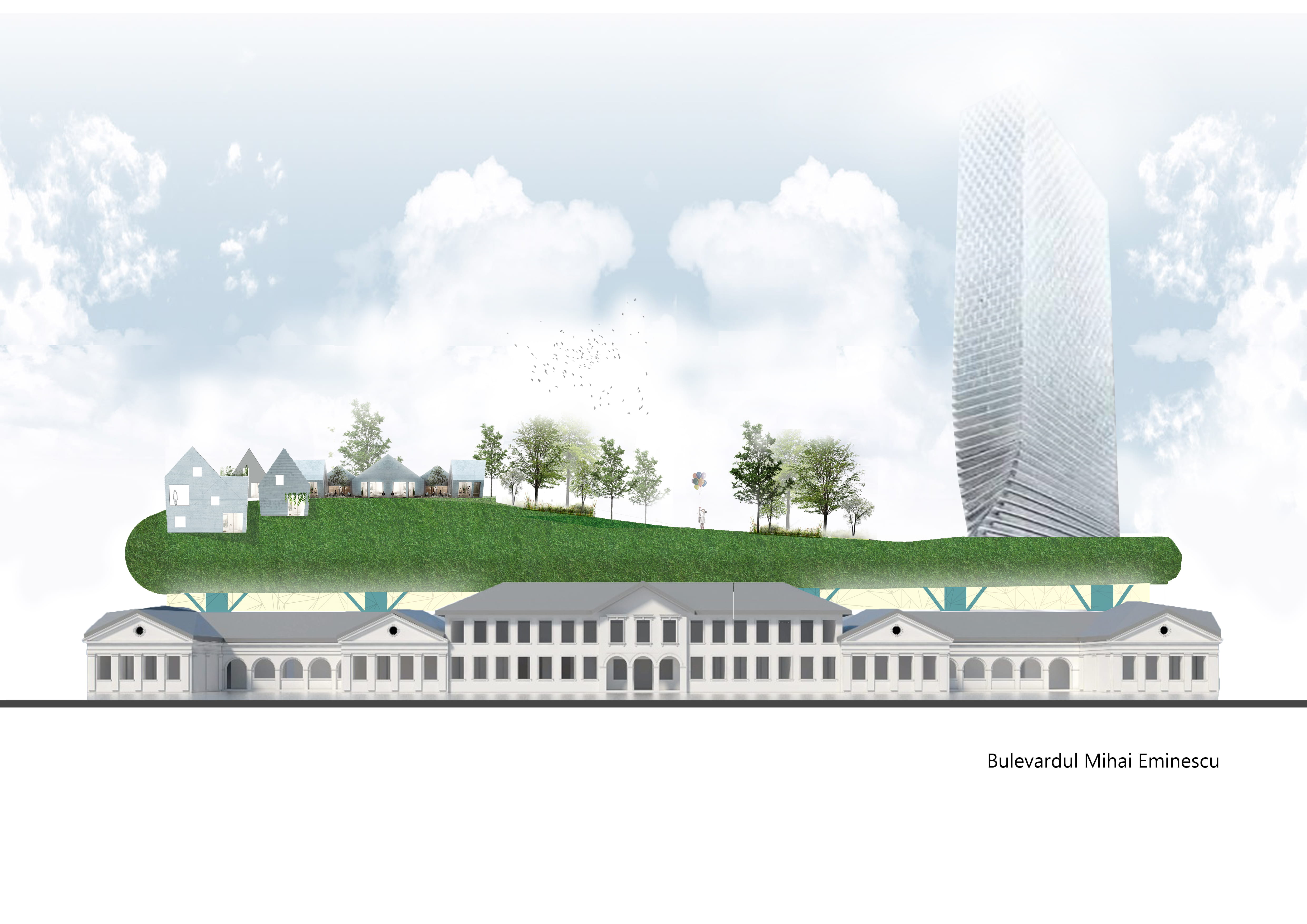
03 — The Ground as Civic Release. A public square is released at ground level, a green zeppelin suspends the commercial slab above it, and higher still a floating village of hotel and housing appears. Urban pressure converted into narrative architecture.
PROJECT CREDITS
Concept & initial idea direction: Cristina Arsenie Conceptual architect / project coordination: Cristina Arsenie Team: Arh. urb. Dora Alexa-Morcov · Arh. Sonia Dabija · Arh. Alexandra Bratu · Arh. Andrei Rusu
THE THREE PROPOSALS — KEY POSITIONS
MonovolumeSpatial InversionMemory as VoidMixed UseTopographyPreservationGreen TerracesGround Not ObjectPublic SquareSuspended ProgramUrban NarrativeCivic Spectacle
PHOTO GALLERY — SOLUTION 01 · THE SOLID BECOMES VOID
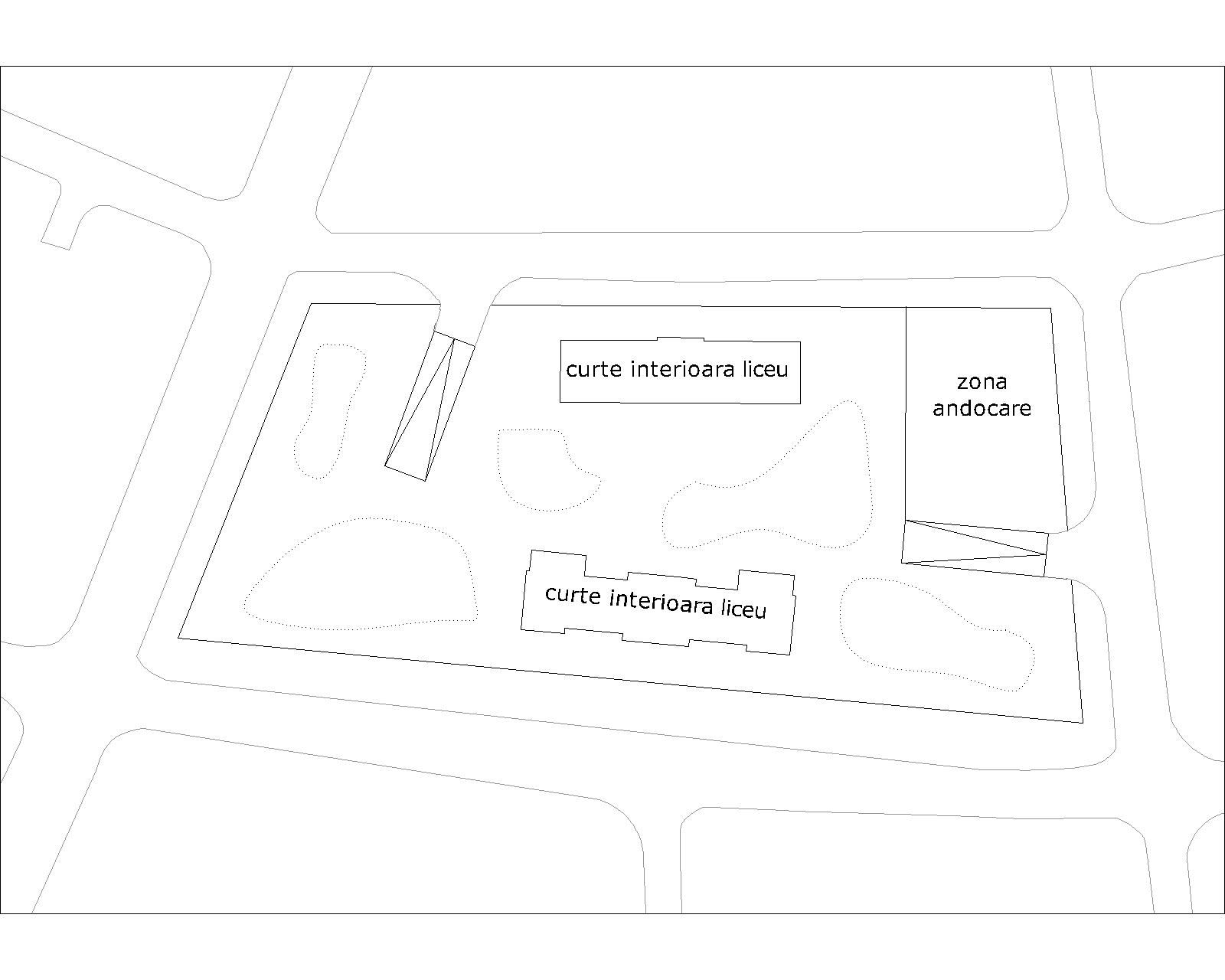
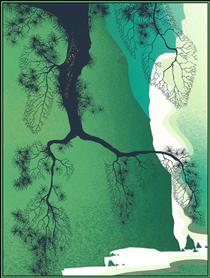
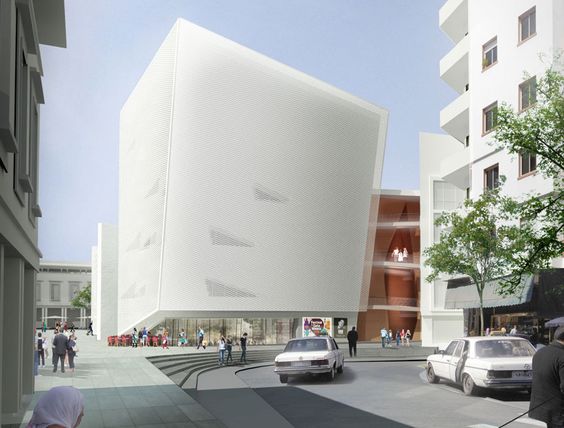
Solution 01 — overall proposal viewSolution 01 — volumetric studySolution 01 — the prism above the plotSolution 01 — interior courtyards as memorySolution 01 — urban context viewSection through the inspectorateSection through the former high schoolExploded axonometric — layered programGround floor plan — site permeable and open to public lifeReference image — sea cliffs and pine branch, an atmospheric cue for the prism's restraintSolution 01 — additional perspective
PHOTO GALLERY — SOLUTION 02 · THE BUILDING BECOMES LANDSCAPE
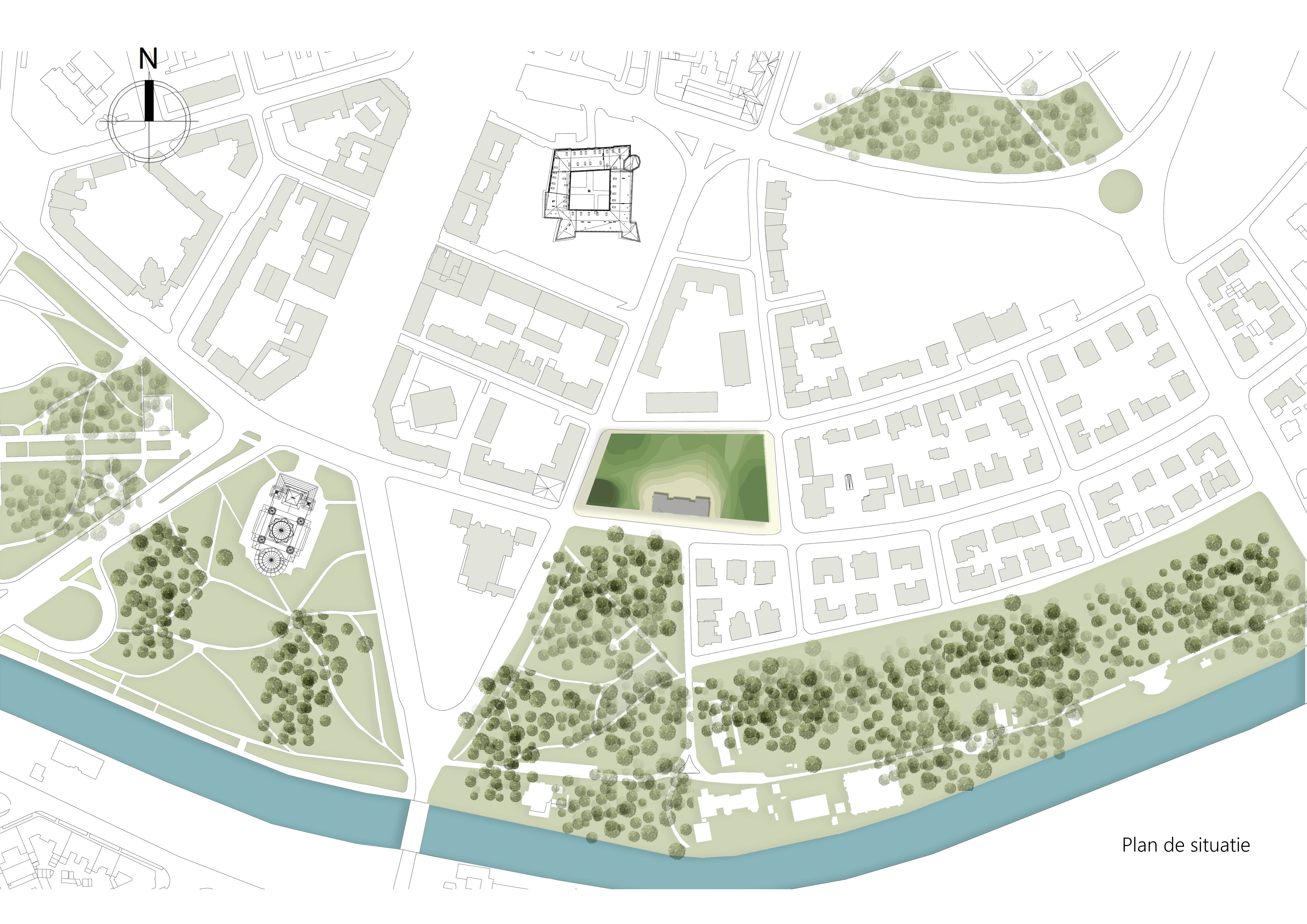
Site plan — the inspectorate held as the persistent coreTerrace plan — planted roofs and stepped surfacesUnfolded street elevationPerspective view — architecture as ground, not objectStreet view — inhabitable topography meeting the boulevardConceptual schemes — density without replacement
PHOTO GALLERY — SOLUTION 03 · THE GROUND AS CIVIC RELEASE
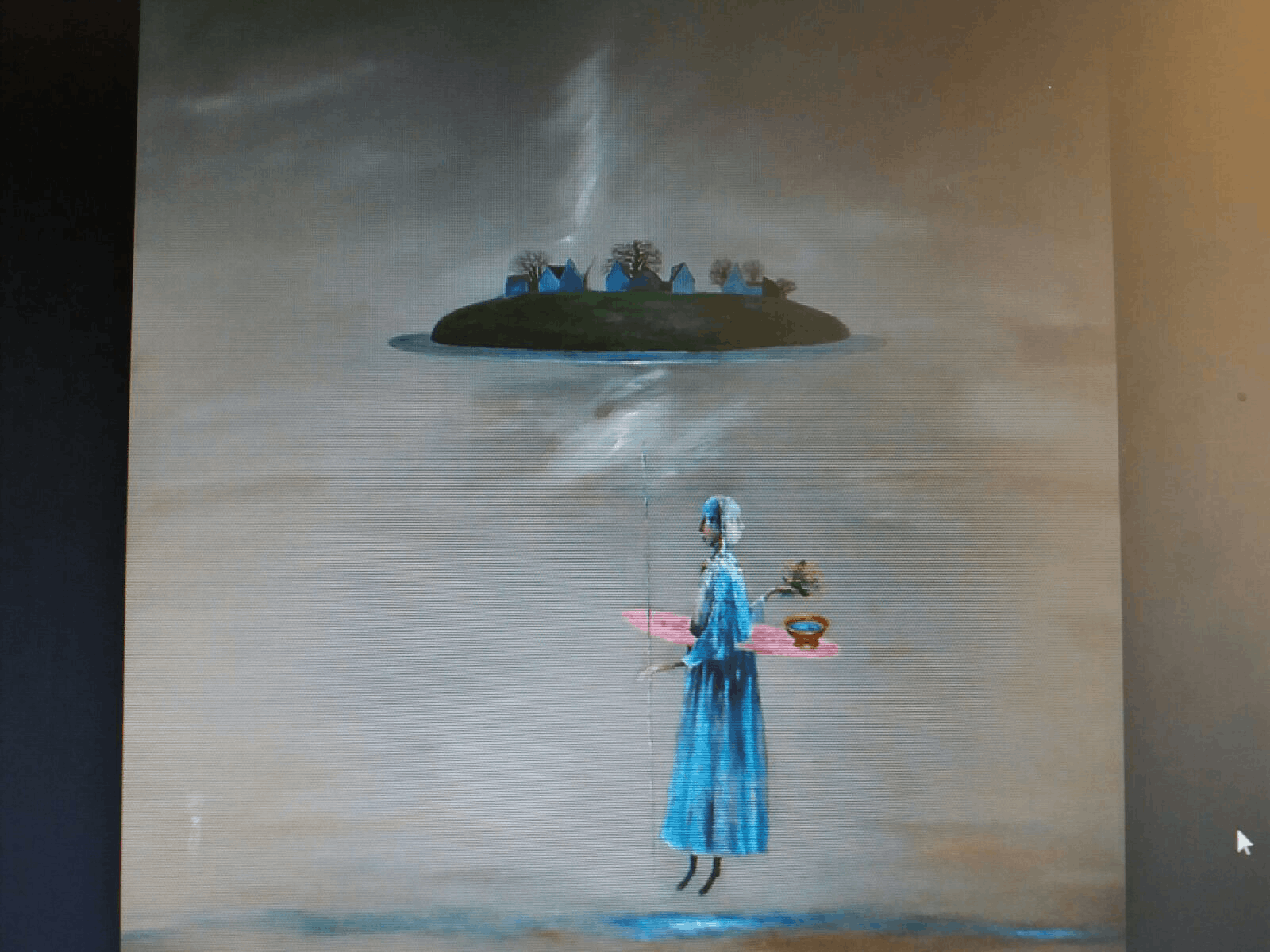
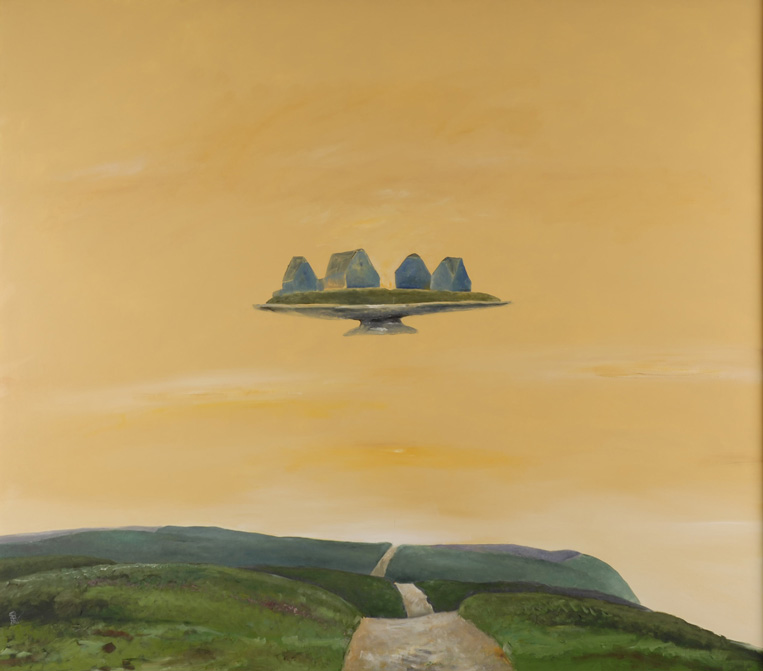
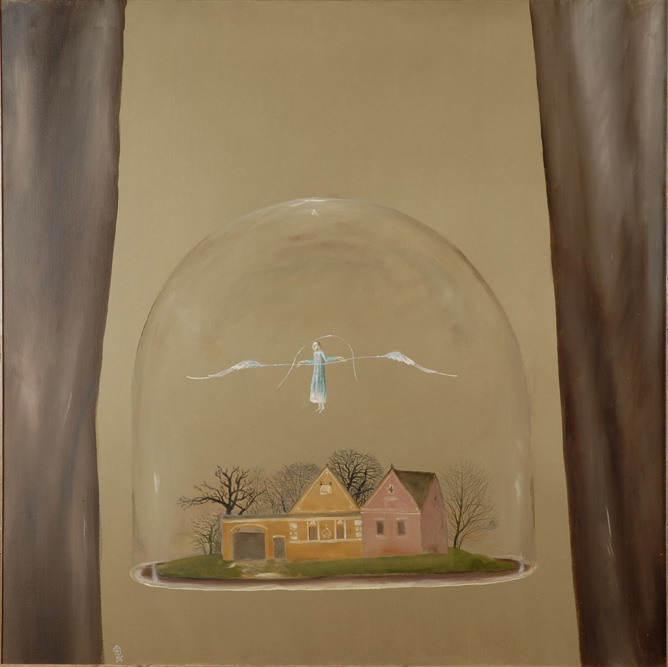
The suspended commercial body — a green zeppelin above the civic squareConceptual study — public square below, suspended program aboveReference image — an unexpected resonance for the suspended settlementReference — The White Pathway (2006)Reference — The Winged from Ona (2006)